A new tablet version of Wegovy, a peptide used to help people lose weight, has been approved for the first time in Australia.
Until now, the best-known medicines in this group – semaglutides, sold as Wegovy or Ozempic – and tirzepatides, sold as Mounjaro – have generally required weekly injections.
The new daily tablet offers another option for people who would prefer not to or can't inject themselves.
But how does it work? And will swallowing a pill make weight loss easier, cheaper or safer? Your questions are answered below.
What are Wegovy pills, and what's changed?
Wegovy contains semaglutide, a medicine that copies the action of a naturally occurring hormone called glucagon-like peptide-1 (GLP-1). This hormone helps regulate blood sugar, appetite and digestion.
On Tuesday, Australia's Therapeutic Goods Administration (TGA) registered four strengths of Wegovy tablets: 1.5mg, 4mg, 9mg and 25mg.
This makes it the first GLP-1 medicine approved in Australia in tablet form specifically for weight management.
How do the tablets work, and who are they for?
Semaglutide acts on the brain and digestive system. It reduces hunger, increases feelings of fullness and slows how quickly food leaves the stomach. This can help people feel satisfied with smaller meals and reduce how often they feel hungry.
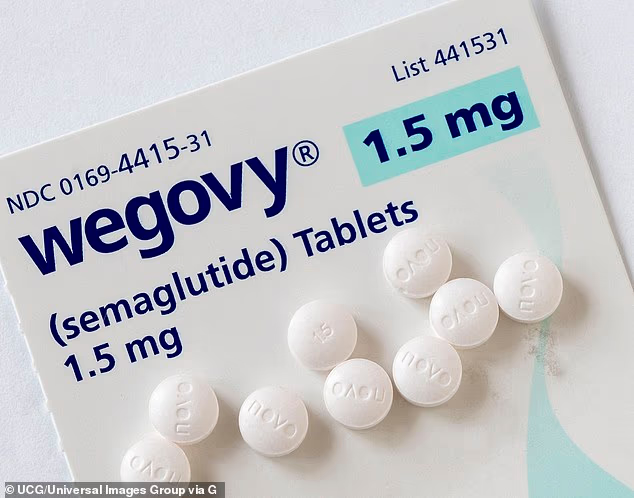
Weight loss drug Wegovy will be available in pill form in Australia within weeks
The medicine is intended for adults living with obesity, or people who are overweight and have other weight-related health conditions.
It may also be prescribed to some people with heart (cardiovascular) disease to reduce their risk of serious heart problems, such as heart attack or stroke.
These medicines are not intended as a quick fix for people wanting to lose a few kilograms.
They are prescription treatments that should be considered as part of a person's broader health needs, with guidance from a healthcare professional.
How do the pills compare to injections?
The Wegovy tablet must be taken daily, on an empty stomach with a small amount of water, with a 30-minute wait before you eat or drink anything other than water.
They contain a special absorption aid to pass through stomach acid, to allow it to be absorbed properly and work effectively.
In contrast, the injection can be done any time of day, once weekly, with or without food.
What are the risks?
Common side effects – affecting around 80 per cent of patients – include nausea, vomiting, diarrhoea, indigestion and constipation.
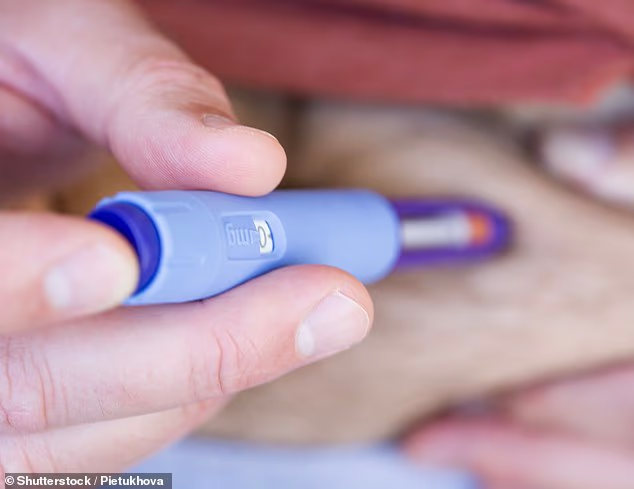
It can replace the injections of the GLP-1 medication
Less common, but more serious side effects include kidney injury, pancreatitis and gallbladder problems.
Higher doses make negative side effects more severe. With a tablet, it's important for people to know that, just as for an injection, doubling up their dose won't encourage faster results and could cause harm.
Doctor appointments are short, meaning they sometimes lack proper screening for eating disorders, body image or other psychological issues.
Previous research has also highlighted a link between suicidal thoughts and GLP-1 use. So unless these issues are discussed in appointments, it could lead to negative outcomes for patients.
An oral tablet may be easier for people who don't like needles or have trouble using them, and could reduce potential injection-related injuries.
Recently, needle and syringe programs have been overwhelmed with demand for needles used for GLP-1s and other peptides.
When will pills be available, and what will they cost?
The TGA approval doesn't mean you can walk into your doctor and get a script today.
Before Wegovy tablets hit the shelves, the TGA will complete a final review of packaging and production, as well as retail pricing.
The drug works by suppressing the appetite of users
Novo Nordisk, the company that manufactures Wegovy, aims to have tablets available in Australia by the end of the year.
It is also important to distinguish TGA approval from Pharmaceutical Benefits Scheme (PBS) listing. TGA approval means a medicine can be prescribed for its approved uses. PBS listing means the government subsidises its cost.
Wegovy is not currently subsidised through the PBS for weight management, meaning patients should expect to pay the full price.
Official pricing hasn't been released yet. However, the weekly injection costs A$250 – $450 a month and the pill's out-of-pocket costs are likely to be similar.
Is this a 'magic pill'?
This pill isn't supposed to be used by itself. The TGA has approved Wegovy tablets to use alongside a reduced-calorie diet and increased physical activity.
It's also important to follow prescriber guidelines, eat nutritious food, and do weight training to help avoid muscle loss.
This is why 'lifestyle prescribing' should accompany any weight-loss drugs, which means GPs should also make a clear plan with patients to encourage healthy eating and regular exercise, alongside weight-loss medications.
This matters because when people lose weight quickly, some of what they lose is lean muscle, not just body fat.

Experts say for the medication to work properly it should be combined with exercise
Secondly, the weight can return if you stop taking Wegovy without having changed your lifestyle.
Follow-up research with participants has found people regained about two-thirds of the weight they had lost within a year of stopping these medications.
Both formats work to make you stay fuller faster, and trials showed similar gastrointestinal effects especially when first starting.
Overall, they show similar rates of weight loss, with the tablet showing a 14 per cent body weight loss over 64-68 weeks, and the injection showing a 15 per cent weight reduction.
However, the pill's effectiveness relies on people remembering to take it each day and not eat or drink within half an hour of the dose, rather than just remembering to inject the drug once a week.
Join the discussionShould weight loss pills be made more affordable, or do they risk encouraging unhealthy habits?
Source link