All Section

Sat, Aug 8, 2026

Good News Network

New Images Capture the Oldest-Known Sunda Clouded Leopard–an 8-yo Huntress with All Her Teeth

New Images Capture the Oldest-Known Sunda Clouded Leopard–an 8-yo Huntress with All Her Teeth

The oldest known wild clouded leopard – a female – captured on camera trap in Malaysian Borneo. This individual is estimated to have been 8.5 years old – Credit: Panthera, Sabah Forestry Department, Leibniz Institute for Zoo and Wildlife Research

Newly released camera trap footage from a recent study captures the oldest Sunda clouded leopard ever recorded in the wild.

This 8.5-year-old female in Borneo's rainforests offers a new and exciting glimpse into the life of one of the world's most elusive wild cats. (See the video below…)

The research is the first to document a female's lifespan in the wild, and the data also confirmed that these leopards are far more mobile than previously assumed, with some individuals traveling up to 19 miles between forest reserves.

It also found that females were 68% harder to detect than males. Camera trap data demonstrates why: females spend far more time in the trees, and their slender bodies and fluffier tails help them balance there.

Males, by contrast, spend much of their time on the ground patrolling and re-marking territory, which is why they turn up on camera more often.

Good News in History, August 7

Good News in History, August 7

10 years ago today, Ichiro Suzuki joined the "3,000 Club" of collecting 3,000 hits across an MLB career in style, hitting a triple off the right-field wall of Coors Field against the Colorado Rockies. In doing so he also became the 7th player in MLB history to hit 3,000 and steal 500 bases in a career—such was his excellence. READ more… (2016)

Ichiro Suzuki in 2011 – CC 3.0 Keith Allison

On the 15th of June in the same season, Suzuki surpassed Pete Rose for hits as a professional baseball player at 4,257. Pete Rose didn't appreciate that, noting that soon Japanese fans would be "counting his high school baseball hits," and arguing that the 1,278 hits he collected during his career in Nippon Professional Baseball shouldn't count because they came against pitchers of a lower caliber.

Arizona Diamondbacks assistant hitting coach Mark Grace told USA Today he thought it didn't matter.

"You're talking about breaking Pete Rose's record. I couldn't care less if he got some of those hits in Japan or in Antarctica. You're getting hits at high professional levels. That's huge. I'm in awe of the guy."

MORE Good News

SeaWorld Completes Largest Captive Whale Transportation Operation in Nation’s History

SeaWorld Completes Largest Captive Whale Transportation Operation in Nation’s History

Beluga whale arrives at SeaWorld San Antonio – courtesy SeaWorld

SeaWorld San Antonio recently welcomed 7 rescued beluga whales, following a nearly 2,000 mile journey, as part of an urgent, unprecedented international effort to relocate 30 belugas from a closed marine park in Canada that can no longer support their care.

They join 2 rescued male belugas who arrived on July 21st as part of the first transport, and set a national record for the largest movement of captive cetaceans ever undertaken by a zoo or aquarium.

"Given this is the largest number of belugas being moved at one time, we are so happy that all went well and the second transport of this huge rescue effort is complete," said Steve Aibel, Vice President, Animals and Conservation for SeaWorld San Antonio, who accompanied both transports.

"All seven female belugas are now at SeaWorld San Antonio. They are receiving veterinary care, nutrition and attention as they acclimate to their new environment."

GNN reported on the previous group of belugas to depart captivity in Ontario towards 'bluer' pastures stateside, when 4 female belugas flew to Chicago via a Qatar Airways Boeing

Highest Resolution View of the Sun Reveals Breaking Waves and Magnetic Mysteries

Highest Resolution View of the Sun Reveals Breaking Waves and Magnetic Mysteries

Little plasma whirlpools on the Sun's surface – credit, NSF/NSO/AURA/MPS

Scientists using Earth's most powerful solar telescope have snapped a picture of the Sun's surface that helped explain—for the first time—foundational physics about our dear star.

Situated atop the summit of Haleakalā, a volcano on the island of Maui, the Daniel Inouye Solar Telescope peered down onto the surface of the Sun. Captured in the data is proof that the plasma thereupon is subjected to the same physical force that causes waves to break and whirlpools to form down on Earth's seas, or among Jupiter's clouds.

Published in the journal Nature, the authors of a paper on the discovery said it carries "far-reaching implications for our understanding of the creation and dissipation of magnetic fields," on the Sun's photosphere.

"The vortex formation on the Sun has long been a central question in solar physics. For the first time, we have identified both their origin and their driving mechanism," lead study author Dr. David Kuridze, assistant astronomer at the National Solar Observatory in Boulder, Colorado, wrote to CNN in an email.

The phenomenon is known as Kelvin-Helmholtz Instability.

‘Like a Moody Punk Rocker,’ the Red Handfish is National Geographic’s 18,000th Species Photographed

‘Like a Moody Punk Rocker,’ the Red Handfish is National Geographic’s 18,000th Species Photographed

A critically endangered female red handfish (Thymichthys politus) at the Institute for Marine and Antarctic Studies in Hobart, Tasmania – credit, Joel Sartore / National Geographic, released

National Geographic calls it the ocean dweller who struts about more like a rock &roll frontman than a fish.​​​​‌‍​‍​‍‌‍‌​‍‌‍‍‌‌‍‌‌‍‍‌‌‍‍​‍​‍​‍‍​‍​‍‌​‌‍​‌‌‍‍‌‍‍‌‌‌​‌‍‌​‍‍‌‍‍‌‌‍​‍​‍​‍​​‍​‍‌‍‍​‌​‍‌‍‌‌‌‍‌‍​‍​‍​‍‍​‍​‍‌‍‍​‌‌​‌‌​‌​​‌​​‍‍​‍​‍‌‍‍‌‍‌‌‌‌‌​​‍‌‌‍​‌‍‌‌​​‍‍‌‍‍‌‍​‌‌‌​‌‍‍‌‌‍‌‍‍‌‍​‌‌‍​‌‍‌‌‍‌‌‌‍‌‍‌‌​‍‌‍​‌‌​​‌‍‍​‌‍‍‌‌‍​​‍‍‌‍‌​‍‌‍‌​‍‌‍‍‌‌‍‍‌‌​‌‍‌‌‌‍‍‌‌​​‍‌‍‌‌‌‍‌​‌‍‍‌‌‌​​‍‌‍‌‌‍‌‍‌​‌‍‌‌​‌‌​​‌​‍‌‍‌‌‌​‌‍‌‌‌‍‍‌‌​‌‍​‌‌‌​‌‍‍‌‌‍‌‍‍​‍‌‍‍‌‌‍‌​​‌​‌‌‍​‍​‌​‌‍​‌​‌​‌‌​​​​‌‌​‍‌​‌‌‍​‍​‍​‌‍​‍​‍‌​‌​​​‌​‌‍​‍‌​‍‌‌‍​‌​‌‌‍​​‌‌​‍‌​​​‌‍​‍‌‌‍​‍​​‍​‌‌‍‌​​​​​‍‌​​​‌‍‌‌​‌‌​‍‌‌​‌‍‌‌​​‌‍‌‌​‌‌‍‍‌‍‌‌‌‌‌​‌‌‌‍​‌‌​‍‌‌​‌‍‍‌‌‍​‌‍​‌‍‌‌​‍‌​​‌‍​‌‌‌​‌‍‍​​‌‌‍‌‌‍‌‌‌​‌​‌‍​‌‌‍‌‌‍‌‌‌​​‍‌‍‌‍‌​‌‍‌​‍‌‌​‌‌‌​​‍‌‌‌‍‍‌‍‌‌‌‍‌​‍‌‌​​‌​‌​​‍‌‌​​‌​‌​​‍‌‌​​‍​​‍​‍​​‌‍‌‍​‌​‌‌‍​​​​‍​​‌‍​‌‍‌‍‌​​‌​‌‌​‍‌‌​​‍​​‍​‍‌‌​‌‌‌​‌​​‍‍‌‍​‌‍‍​‌‍‍‌‌‍​‌‍‌​‌​‍‌‍‌‌‌‍‍​‍‌‌​‌‌‌​​‍‌‌‌‍‍‌‍‌‌‌‍‌​‍‌‌​​‌​‌​​‍‌‌​​‌​‌​​‍‌‌​​‍​​‍​‌​‌‍‌‌​‍​‌‍​‍​‌‍​​‌​‌​‌‌​​‌​​‍‌‍‌‍‌‍​‌​‍‌‌​​‍​​‍​‍‌‌​‌‌‌​‌​​‍‍‌‌​‌‍‌‌‌‍​‌‌​​‌‍​‍‌‍​‌‌​‌‍‌‌‌‌‌‌‌​‍‌‍​​‌‌‍‍​‌‌​‌‌​‌​​‌​​‍‌‌​​‌​​‌​‍‌‌​​‍‌​‌‍​‍‌‌​​‍‌​‌‍‌‍‍‌‍‌‌‌‌‌​​‍‌‌‍​‌‍‌‌​​‍‍‌‍‍‌‍​‌‌‌​‌‍‍‌‌‍‌‍‍‌‍​‌‌‍​‌‍‌‌‍‌‌‌‍‌‍‌‌​‍‌‍​‌‌​​‌‍‍​‌‍‍‌‌‍​​‍‍‌‍‌​‍‌‍‌​‍‌‍‌‍‍‌‌‍‌​​‌​‌‌‍​‍​‌​‌‍​‌​‌​‌‌​​​​‌‌​‍‌​‌‌‍​‍​‍​‌‍​‍​‍‌​‌​​​‌​‌‍​‍‌​‍‌‌‍​‌​‌‌‍​​‌‌​‍‌​​​‌‍​‍‌‌‍​‍​​‍​‌‌‍‌​​​​​‍‌​​​‌‍‌‌​‌‌​‍‌‍‌‌​‌‍‌‌​​‌‍‌‌​‌‌‍‍‌‍‌‌‌‌‌​‌‌‌‍​‌‌​‍‌‌​‌‍‍‌‌‍​‌‍​‌‍‌‌​‍‌‍‌​​‌‍​‌‌‌​‌‍‍​​‌‌‍‌‌‍‌‌‌​‌​‌‍​‌‌‍‌‌‍‌‌‌​​‍‌‍‌‍‌​‌‍‌​‍‌‌​‌‌‌​​‍‌‌‌‍‍‌‍‌‌‌‍‌​‍‌‌​​‌​‌​​‍‌‌​​‌​‌​​‍‌‌​​‍​​‍​‍​​‌‍‌‍​‌​‌‌‍​​​​‍​​‌‍​‌‍‌‍‌​​‌​‌‌​‍‌‌​​‍​​‍​‍‌‌​‌‌‌​‌​​‍‍‌‍​‌‍‍​‌‍‍‌‌‍​‌‍‌​‌​‍‌‍‌‌‌‍‍​‍‌‌​‌‌‌​​‍‌‌‌‍‍‌‍‌‌‌‍‌​‍‌‌​​‌​‌​​‍‌‌​​‌​‌​​‍‌‌​​‍​​‍​‌​‌‍‌‌​‍​‌‍​‍​‌‍​​‌​‌​‌‌​​‌​​‍‌‍‌‍‌‍​‌​‍‌‌​​‍​​‍​‍‌‌​‌‌‌​‌​​‍‍‌‌​‌‍‌‌‌‍​‌‌​​‍‌‍‌​​‌‍‌‌‌​‍‌​‌​​‌‍‌‌‌‍​‌‌​‌‍‍‌‌‌‍‌‍‌‌​‌‌​​‌‌‌‌‍​‍‌‍​‌‍‍‌‌​‌‍‍​‌‍‌‌‌‍‌​​‍​‍‌‌

No bigger than a human thumb and sporting a red-lipped frown like a moody punk rocker, the Critically-Endangered red handfish is also the extraordinary 18,000th species in the National Geographic "Photo Ark," just in time to celebrate its 20th anniversary.

National Geographic Explorer, photographer and Photo Ark founder ​​​​‌‍​‍​‍‌‍‌​‍‌‍‍‌‌‍‌‌‍‍‌‌‍‍​‍​‍​‍‍​‍​‍‌​‌‍​‌‌‍‍‌‍‍‌‌‌​‌‍‌​‍‍‌‍‍‌‌‍​‍​‍​‍​​‍​‍‌‍‍​‌​‍‌‍‌‌‌‍‌‍​‍​‍​‍‍​‍​‍‌‍‍​‌‌​‌‌​‌​​‌​​‍‍​‍​‍‌‍‍‌‍‌‌‌‌‌​​‍‌‌‍​‌‍‌‌​​‍‍‌‍‍‌‍​‌‌‌​‌‍‍‌‌‍‌‍‍‌‍​‌‌‍​‌‍‌‌‍‌‌‌‍‌‍‌‌​‍‌‍​‌‌​​‌‍‍​‌‍‍‌‌‍​​‍‍‌‍‌​‍‌‍‌​‍‌‍‍‌‌‍‍‌‌​‌‍‌‌‌‍‍‌‌​​‍‌‍‌‌‌‍‌​‌‍‍‌‌‌​​‍‌‍‌‌‍‌‍‌​‌‍‌‌​‌‌​​‌​‍‌‍‌‌‌​‌‍‌‌‌‍‍‌‌​‌‍​‌‌‌​‌‍‍‌‌‍‌‍‍​‍‌‍‍‌‌‍‌​​‌​‌‌‍​‍​‌​‌‍​‌​‌​‌‌​​​​‌‌​‍‌​‌‌‍​‍​‍​‌‍​‍​‍‌​‌​​​‌​‌‍​‍‌​‍‌‌‍​‌​‌‌‍​​‌‌​‍‌​​​‌‍​‍‌‌‍​‍​​‍​‌‌‍‌​​​​​‍‌​​​‌‍‌‌​‌‌​‍‌‌​‌‍‌‌​​‌‍‌‌​‌‌‍‍‌‍‌‌‌‌‌​‌‌‌‍​‌‌​‍‌‌​‌‍‍‌‌‍​‌‍​‌‍‌‌​‍‌​​‌‍​‌‌‌​‌‍‍​​‌‌‍‌‌‍‌‌‌​‌​‌‍​‌‌‍‌‌‍‌‌‌​​‍‌‍‌‍‌​‌‍‌​‍‌‌​‌‌‌​​‍‌‌‌‍‍‌‍‌‌‌‍‌​‍‌‌​​‌​‌​​‍‌‌​​‌​‌​​‍‌‌​​‍​​‍​​‍​‌‌‍​‍​‌​‌‍​‍‌‍​‍​‌‍‌‍​‍‌‍‌‍​​​​​‍​​‍​‍‌‌​​‍​​‍​‍‌‌​‌‌‌​‌​​‍‍‌‍​‌‍‍​‌‍‍‌‌‍​‌‍‌​‌​‍‌‍‌‌‌‍‍​‍‌‌​‌‌‌​​‍‌‌‌‍‍‌‍‌‌‌‍‌​‍‌‌​​‌​‌​​‍‌‌​​‌​‌​​‍‌‌​​‍​​‍​​‍​​‌‍​‍‌‍​​‌‍​​‍​‌​​​‌​​‍​‌‌‌‍​​​​‍‌‌​​‍​​‍​‍‌‌​‌‌‌​‌​​‍‍‌‌​‌‍‌‌‌‍​‌‌​​‌‍​‍‌‍​‌‌​‌‍‌‌‌‌‌‌‌​‍‌‍​​‌‌‍‍​‌‌​‌‌​‌​​‌​​‍‌‌​​‌​​‌​‍‌‌​​‍‌​‌‍​‍‌‌​​‍‌​‌‍‌‍‍‌‍‌‌‌‌‌​​‍‌‌‍​‌‍‌‌​​‍‍‌‍‍‌‍​‌‌‌​‌‍‍‌‌‍‌‍‍‌‍​‌‌‍​‌‍‌‌‍‌‌‌‍‌‍‌‌​‍‌‍​‌‌​​‌‍‍​‌‍‍‌‌‍​​‍‍‌‍‌​‍‌‍‌​‍‌‍‌‍‍‌‌‍‌​​‌​‌‌‍​‍​‌​‌‍​‌​‌​‌‌​​​​‌‌​‍‌​‌‌‍​‍​‍​‌‍​‍​‍‌​‌​​​‌​‌‍​‍‌​‍‌‌‍​‌​‌‌‍​​‌‌​‍‌​​​‌‍​‍‌‌‍​‍​​‍​‌‌‍‌​​​​​‍‌​​​‌‍‌‌​‌‌​‍‌‍‌‌​‌‍‌‌​​‌‍‌‌​‌‌‍‍‌‍‌‌‌‌‌​‌‌‌‍​‌‌​‍‌‌​‌‍‍‌‌‍​‌‍​‌‍‌‌​‍‌‍‌​​‌‍​‌‌‌​‌‍‍​​‌‌‍‌‌‍‌‌‌​‌​‌‍​‌‌‍‌‌‍‌‌‌​​‍‌‍‌‍‌​‌‍‌​‍‌‌​‌‌‌​​‍‌‌‌‍‍‌‍‌‌‌‍‌​‍‌‌​​‌​‌​​‍‌‌​​‌​‌​​‍‌‌​​‍​​‍​​‍​‌‌‍​‍​‌​‌‍​‍‌‍​‍​‌‍‌‍​‍‌‍‌‍​​​​​‍​​‍​‍‌‌​​‍​​‍​‍‌‌​‌‌‌​‌​​‍‍‌‍​‌‍‍​‌‍‍‌‌‍​‌‍‌​‌​‍‌‍‌‌‌‍‍​‍‌‌​‌‌‌​​‍‌‌‌‍‍‌‍‌‌‌‍‌​‍‌‌​​‌​‌​​‍‌‌​​‌​‌​​‍‌‌​​‍​​‍​​‍​​‌‍​‍‌‍​​‌‍​​‍​‌​​​‌​​‍​‌‌‌‍​​​​‍‌‌​​‍​​‍​‍‌‌​‌‌‌​‌​​‍‍‌‌​‌‍‌‌‌‍​‌‌​​‍‌‍‌​​‌‍‌‌‌​‍‌​‌​​‌‍‌‌‌‍​‌‌​‌‍‍‌‌‌‍‌‍‌‌​‌‌​​‌‌‌‌‍​‍‌‍​‌‍‍‌‌​‌‍‍​‌‍‌‌‌‍‌​​‍​‍‌‌Joel Sartore​​​​‌‍​‍​‍‌‍‌​‍‌‍‍‌‌‍‌‌‍‍‌‌‍‍​‍​‍​‍‍​‍​‍‌​‌‍​‌‌‍‍‌‍‍‌‌‌​‌‍‌​‍‍‌‍‍‌‌‍​‍​‍​‍​​‍​‍‌‍‍​‌​‍‌‍‌‌‌‍‌‍​‍​‍​‍‍​‍​‍‌‍‍​‌‌​‌‌​‌​​‌​​‍‍​‍​‍‌‍‍‌‍‌‌‌‌‌​​‍‌‌‍​‌‍‌‌​​‍‍‌‍‍‌‍​‌‌‌​‌‍‍‌‌‍‌‍‍‌‍​‌‌‍​‌‍‌‌‍‌‌‌‍‌‍‌‌​‍‌‍​‌‌​​‌‍‍​‌‍‍‌‌‍​​‍‍‌‍‌​‍‌‍‌​‍‌‍‍‌‌‍‍‌‌​‌‍‌‌‌‍‍‌‌​​‍‌‍‌‌‌‍‌​‌‍‍‌‌‌​​‍‌‍‌‌‍‌‍‌​‌‍‌‌​‌‌​​‌​‍‌‍‌‌‌​‌‍‌‌‌‍‍‌‌​‌‍​‌‌‌​‌‍‍‌‌‍‌‍‍​‍‌‍‍‌‌‍‌​​‌​‌‌‍​‍​‌​‌‍​‌​‌​‌‌​​​​‌‌​‍‌​‌‌‍​‍​‍​‌‍​‍​‍‌​‌​​​‌​‌‍​‍‌​‍‌‌‍​‌​‌‌‍​​‌‌​‍‌​​​‌‍​‍‌‌‍​‍​​‍​‌‌‍‌​​​​​‍‌​​​‌‍‌‌​‌‌​‍‌‌​‌‍‌‌​​‌‍‌‌​‌‌‍‍‌‍‌‌‌‌‌​‌‌‌‍​‌‌​‍‌‌​‌‍‍‌‌‍​‌‍​‌‍‌‌​‍‌​​‌‍​‌‌‌​‌‍‍​​‌‌‍‌‌‍‌‌‌​‌​‌‍​‌‌‍‌‌‍‌‌‌​​‍‌‍‌‍‌​‌‍‌​‍‌‌​‌‌‌​​‍‌‌‌‍‍‌‍‌‌‌‍‌​‍‌‌​​‌​‌​​‍‌‌​​‌​‌​​‍‌‌​​‍​​‍​​‍​‌‌‍​‍​‌​‌‍​‍‌‍​‍​‌‍‌‍​‍‌‍‌‍​​​​​‍​​‍​‍‌‌​​‍​​‍​‍‌‌​‌‌‌​‌​​‍‍‌‍​‌‍‍​‌‍‍‌‌‍​‌‍‌​‌​‍‌‍‌‌‌‍‍​‍‌‌​‌‌‌​​‍‌‌‌‍‍‌‍‌‌‌‍‌​‍‌‌​​‌​‌​​‍‌‌​​‌​‌​​‍‌‌​​‍​​‍​‌‍‌‍‌‌‌‍​‌​​​‌‍​‌‌‍‌‍​‌‍​‌​‌‍‌​‌‍‌‌​​​‌‍‌​​‍‌‌​​‍​​‍​‍‌‌​‌‌‌​‌​​‍‍‌‌​‌‍‌‌‌‍​‌‌​​‌‍​‍‌‍​‌‌​‌‍‌‌‌‌‌‌‌​‍‌‍​​‌‌‍‍​‌‌​‌‌​‌​​‌​​‍‌‌​​‌​​‌​‍‌‌​​‍‌​‌‍​‍‌‌​​‍‌​‌‍‌‍‍‌‍‌‌‌‌‌​​‍‌‌‍​‌‍‌‌​​‍‍‌‍‍‌‍​‌‌‌​‌‍‍‌‌‍‌‍‍‌‍​‌‌‍​‌‍‌‌‍‌‌‌‍‌‍‌‌​‍‌‍​‌‌​​‌‍‍​‌‍‍‌‌‍​​‍‍‌‍‌​‍‌‍‌​‍‌‍‌‍‍‌‌‍‌​​‌​‌‌‍​‍​‌​‌‍​‌​‌​‌‌​​​​‌‌​‍‌​‌‌‍​‍​‍​‌‍​‍​‍‌​‌​​​‌​‌‍​‍‌​‍‌‌‍​‌​‌‌‍​​‌‌​‍‌​​​‌‍​‍‌‌‍​‍​​‍​‌‌‍‌​​​​​‍‌​​​‌‍‌‌​‌‌​‍‌‍‌‌​‌‍‌‌​​‌‍‌‌​‌‌‍‍‌‍‌‌‌‌‌​‌‌‌‍​‌‌​‍‌‌​‌‍‍‌‌‍​‌‍​‌‍‌‌​‍‌‍‌​​‌‍​‌‌‌​‌‍‍​​‌‌‍‌‌‍‌‌‌​‌​‌‍​‌‌‍‌‌‍‌‌‌​​‍‌‍‌‍‌​‌‍‌​‍‌‌​‌‌‌​​‍‌‌‌‍‍‌‍‌‌‌‍‌​‍‌‌​​‌​‌​​‍‌‌​​‌​‌​​‍‌‌​​‍​​‍​​‍​‌‌‍​‍​‌​‌‍​‍‌‍​‍​‌‍‌‍​‍‌‍‌‍​​​​​‍​​‍​‍‌‌​​‍​​‍​‍‌‌​‌‌‌​‌​​‍‍‌‍​‌‍‍​‌‍‍‌‌‍​‌‍‌​‌​‍‌‍‌‌‌‍‍​‍‌‌​‌‌‌​​‍‌‌‌‍‍‌‍‌‌‌‍‌​‍‌‌​​‌​‌​​‍‌‌​​‌​‌​​‍‌‌​​‍​​‍​‌‍‌‍‌‌‌‍​‌​​​‌‍​‌‌‍‌‍​‌‍​‌​‌‍‌​‌‍‌‌​​​‌‍‌​​‍‌‌​​‍​​‍​‍‌‌​‌‌‌​‌​​‍‍‌‌​‌‍‌‌‌‍​‌‌​​‍‌‍‌​​‌‍‌‌‌​‍‌​‌​​‌‍‌‌‌‍​‌‌​‌‍‍‌‌‌‍‌‍‌‌​‌‌​​‌‌‌‌‍​‍‌‍​‌‍‍‌‌​‌‍‍​‌‍‌‌‌‍‌​​‍​‍‌‌ photographed this ​​​​‌‍​‍​‍‌‍‌​‍‌‍‍‌‌‍‌‌‍‍‌‌‍‍​‍​‍​‍‍​‍​‍‌​‌‍​‌‌‍‍‌‍‍‌‌‌​‌‍‌​‍‍‌‍‍‌‌‍​‍​‍​‍​​‍​‍‌‍‍​‌​‍‌‍‌‌‌‍‌‍​‍​‍​‍‍​‍​‍‌‍‍​‌‌​‌‌​‌​​‌​​‍‍​‍​‍‌‍‍‌‍‌‌‌‌‌​​‍‌‌‍​‌‍‌‌​​‍‍‌‍‍‌‍​‌‌‌​‌‍‍‌‌‍‌‍‍‌‍​‌‌‍​‌‍‌‌‍‌‌‌‍‌‍‌‌​‍‌‍​‌‌​​‌‍‍​‌‍‍‌‌‍​​‍‍‌‍‌​‍‌‍‌​‍‌‍‍‌‌‍‍‌‌​‌‍‌‌‌‍‍‌‌​​‍‌‍‌‌‌‍‌​‌‍‍‌‌‌​​‍‌‍‌‌‍‌‍‌​‌‍‌‌​‌‌​​‌​‍‌‍‌‌‌​‌‍‌‌‌‍‍‌‌​‌‍​‌‌‌​‌‍‍‌‌‍‌‍‍​‍‌‍‍‌‌‍‌​​‌​‌‌‍​‍​‌​‌‍​‌​‌​‌‌​​​​‌‌​‍‌​‌‌‍​‍​‍​‌‍​‍​‍‌​‌​​​‌​‌‍​‍‌​‍‌‌‍​‌​‌‌‍​​‌‌​‍‌​​​‌‍​‍‌‌‍​‍​​‍​‌‌‍‌​​​​​‍‌​​​‌‍‌‌​‌‌​‍‌‌​‌‍‌‌​​‌‍‌‌​‌‌‍‍‌‍‌‌‌‌‌​‌‌‌‍​‌‌​‍‌‌​‌‍‍‌‌‍​‌‍​‌‍‌‌​‍‌​​‌‍​‌‌‌​‌‍‍​​‌‌‍‌‌‍‌‌‌​‌​‌‍​‌‌‍‌‌‍‌‌‌​​‍‌‍‌‍‌​‌‍‌​‍‌‌​‌‌‌​​‍‌‌‌‍‍‌‍‌‌‌‍‌​‍‌‌​​‌​‌​​‍‌‌​​‌​‌​​‍‌‌​​‍​​‍​​‍​‌‌‍​‍​‌​‌‍​‍‌‍​‍​‌‍‌‍​‍‌‍‌‍​​​​​‍​​‍​‍‌‌​​‍​​‍​‍‌‌​‌‌‌​‌​​‍‍‌‍​‌‍‍​‌‍‍‌‌‍​‌‍‌​‌​‍‌‍‌‌‌‍‍​‍‌‌​‌‌‌​​‍‌‌‌‍‍‌‍‌‌‌‍‌​‍‌‌​​‌​‌​​‍‌‌​​‌​‌​​‍‌‌​​‍​​‍‌‍​‌​‍​‌‍‌‌​‌‍​‌‌‍​‌‍‌‌‌‍​​​‍​‌​‍‌​​​​‍‌‌​​‍​​‍​‍‌‌​‌‌‌​‌​​‍‍‌‌​‌‍‌‌‌‍​‌‌​​‌‍​‍‌‍​‌‌​‌‍‌‌‌‌‌‌‌​‍‌‍​​‌‌‍‍​‌‌​‌‌​‌​​‌​​‍‌‌​​‌​​‌​‍‌‌​​‍‌​‌‍​‍‌‌​​‍‌​‌‍‌‍‍‌‍‌‌‌‌‌​​‍‌‌‍​‌‍‌‌​​‍‍‌‍‍‌‍​‌‌‌​‌‍‍‌‌‍‌‍‍‌‍​‌‌‍​‌‍‌‌‍‌‌‌‍‌‍‌‌​‍‌‍​‌‌​​‌‍‍​‌‍‍‌‌‍​​‍‍‌‍‌​‍‌‍‌​‍‌‍‌‍‍‌‌‍‌​​‌​‌‌‍​‍​‌​‌‍​‌​‌​‌‌​​​​‌‌​‍‌​‌‌‍​‍​‍​‌‍​‍​‍‌​‌​​​‌​‌‍​‍‌​‍‌‌‍​‌​‌‌‍​​‌‌​‍‌​​​‌‍​‍‌‌‍​‍​​‍​‌‌‍‌​​​​​‍‌​​​‌‍‌‌​‌‌​‍‌‍‌‌​‌‍‌‌​​‌‍‌‌​‌‌‍‍‌‍‌‌‌‌‌​‌‌‌‍​‌‌​‍‌‌​‌‍‍‌‌‍​‌‍​‌‍‌‌​‍‌‍‌​​‌‍​‌‌‌​‌‍‍​​‌‌‍‌‌‍‌‌‌​‌​‌‍​‌‌‍‌‌‍‌‌‌​​‍‌‍‌‍‌​‌‍‌​‍‌‌​‌‌‌​​‍‌‌‌‍‍‌‍‌‌‌‍‌​‍‌‌​​‌​‌​​‍‌‌​​‌​‌​​‍‌‌​​‍​​‍​​‍​‌‌‍​‍​‌​‌‍​‍‌‍​‍​‌‍‌‍​‍‌‍‌‍​​​​​‍​​‍​‍‌‌​​‍​​‍​‍‌‌​‌‌‌​‌​​‍‍‌‍​‌‍‍​‌‍‍‌‌‍​‌‍‌​‌​‍‌‍‌‌‌‍‍​‍‌‌​‌‌‌​​‍‌‌‌‍‍‌‍‌‌‌‍‌​‍‌‌​​‌​‌​​‍‌‌​​‌​‌​​‍‌‌​​‍​​‍‌‍​‌​‍​‌‍‌‌​‌‍​‌‌‍​‌‍‌‌‌‍​​​‍​‌​‍‌​​​​‍‌‌​​‍​​‍​‍‌‌​‌‌‌​‌​​‍‍‌‌​‌‍‌‌‌‍​‌‌​​‍‌‍‌​​‌‍‌‌‌​‍‌​‌​​‌‍‌‌‌‍​‌‌​‌‍‍‌‌‌‍‌‍‌‌​‌‌​​‌‌‌‌‍​‍‌‍​‌‍‍‌‌​‌‍‍​‌‍‌‌‌‍‌handfish​​​​‌‍​‍​‍‌‍‌​‍‌‍‍‌‌‍‌‌‍‍‌‌‍‍​‍​‍​‍‍​‍​‍‌​‌‍​‌‌‍‍‌‍‍‌‌‌​‌‍‌​‍‍‌‍‍‌‌‍​‍​‍​‍​​‍​‍‌‍‍​‌​‍‌‍‌‌‌‍‌‍​‍​‍​‍‍​‍​‍‌‍‍​‌‌​‌‌​‌​​‌​​‍‍​‍​‍‌‍‍‌‍‌‌‌‌‌​​‍‌‌‍​‌‍‌‌​​‍‍‌‍‍‌‍​‌‌‌​‌‍‍‌‌‍‌‍‍‌‍​‌‌‍​‌‍‌‌‍‌‌‌‍‌‍‌‌​‍‌‍​‌‌​​‌‍‍​‌‍‍‌‌‍​​‍‍‌‍‌​‍‌‍‌​‍‌‍‍‌‌‍‍‌‌​‌‍‌‌‌‍‍‌‌​​‍‌‍‌‌‌‍‌​‌‍‍‌‌‌​​‍‌‍‌‌‍‌‍‌​‌‍‌‌​‌‌​​‌​‍‌‍‌‌‌​‌‍‌‌‌‍‍‌‌​‌‍​‌‌‌​‌‍‍‌‌‍‌‍‍​‍‌‍‍‌‌‍‌​​‌​‌‌‍​‍​‌​‌‍​‌​‌​‌‌​​​​‌‌​‍‌​‌‌‍​‍​‍​‌‍​‍​‍‌​‌​​​‌​‌‍​‍‌​‍‌‌‍​‌​‌‌‍​​‌‌​‍‌​​​‌‍​‍‌‌‍​‍​​‍​‌‌‍‌​​​​​‍‌​​​‌‍‌‌​‌‌​‍‌‌​‌‍‌‌​​‌‍‌‌​‌‌‍‍‌‍‌‌‌‌‌​‌‌‌‍​‌‌​‍‌‌​‌‍‍‌‌‍​‌‍​‌‍‌‌​‍‌​​‌‍​‌‌‌​‌‍‍​​‌‌‍‌‌‍‌‌‌​‌​‌‍​‌‌‍‌‌‍‌‌‌​​‍‌‍‌‍‌​‌‍‌​‍‌‌​‌‌‌​​‍‌‌‌‍‍‌‍‌‌‌‍‌​‍‌‌​​‌​‌​​‍‌‌​​‌​‌​​‍‌‌​​‍​​‍​​‍​‌‌‍​‍​‌​‌‍​‍‌‍​‍​‌‍‌‍​‍‌‍‌‍​​​​​‍​​‍​‍‌‌​​‍​​‍​‍‌‌​‌‌‌​‌​​‍‍‌‍​‌‍‍​‌‍‍‌‌‍​‌‍‌​‌​‍‌‍‌‌‌‍‍​‍‌‌​‌‌‌​​‍‌‌‌‍‍‌‍‌‌‌‍‌​‍‌‌​​‌​‌​​‍‌‌​​‌​‌​​‍‌‌​​‍​​‍‌‍​‌​​‌​​​​‍‌​‍​​​​‌‍‌​‌‍​​‍‌​‌‌‍‌‍‌‍‌‌​‍‌‌​​‍​​‍​‍‌‌​‌‌‌​‌​​‍‍‌‌​‌‍‌‌‌‍​‌‌​​‌‍​‍‌‍​‌‌​‌‍‌‌‌‌‌‌‌​‍‌‍​​‌‌‍‍​‌‌​‌‌​‌​​‌​​‍‌‌​​‌​​‌​‍‌‌​​‍‌​‌‍​‍‌‌​​‍‌​‌‍‌‍‍‌‍‌‌‌‌‌​​‍‌‌‍​‌‍‌‌​​‍‍‌‍‍‌‍​‌‌‌​‌‍‍‌‌‍‌‍‍‌‍​‌‌‍​‌‍‌‌‍‌‌‌‍‌‍‌‌​‍‌‍​‌‌​​‌‍‍​‌‍‍‌‌‍​​‍‍‌‍‌​‍‌‍‌​‍‌‍‌‍‍‌‌‍‌​​‌​‌‌‍​‍​‌​‌‍​‌​‌​‌‌​​​​‌‌​‍‌​‌‌‍​‍​‍​‌‍​‍​‍‌​‌​​​‌​‌‍​‍‌​‍‌‌‍​‌​‌‌‍​​‌‌​‍‌​​​‌‍​‍‌‌‍​‍​​‍​‌‌‍‌​​​​​‍‌​​​‌‍‌‌​‌‌​‍‌‍‌‌​‌‍‌‌​​‌‍‌‌​‌‌‍‍‌‍‌‌‌‌‌​‌‌‌‍​‌‌​‍‌‌​‌‍‍‌‌‍​‌‍​‌‍‌‌​‍‌‍‌​​‌‍​‌‌‌​‌‍‍​​‌‌‍‌‌‍‌‌‌​‌​‌‍​‌‌‍‌‌‍‌‌‌​​‍‌‍‌‍‌​‌‍‌​‍‌‌​‌‌‌​​‍‌‌‌‍‍‌‍‌‌‌‍‌​‍‌‌​​‌​‌​​‍‌‌​​‌​‌​​‍‌‌​​‍​​‍​​‍​‌‌‍​‍​‌​‌‍​‍‌‍​‍​‌‍‌‍​‍‌‍‌‍​​​​​‍​​‍​‍‌‌​​‍​​‍​‍‌‌​‌‌‌​‌​​‍‍‌‍​‌‍‍​‌‍‍‌‌‍​‌‍‌​‌​‍‌‍‌‌‌‍‍​‍‌‌​‌‌‌​​‍‌‌‌‍‍‌‍‌‌‌‍‌​‍‌‌​​‌​‌​​‍‌‌​​‌​‌​​‍‌‌​​‍​​‍‌‍​‌​​‌​​​​‍‌​‍​​​​‌‍‌​‌‍​​‍‌​‌‌‍‌‍‌‍‌‌​‍‌‌​​‍​​‍​‍‌‌​‌‌‌​‌​​‍‍‌‌​‌‍‌‌‌‍​‌‌​​‍‌‍‌​​‌‍‌‌‌​‍‌​‌​​‌‍‌‌‌‍​‌‌​‌‍‍‌‌‌‍‌‍‌‌​‌‌​​‌‌‌‌‍​‍‌‍​‌‍‍‌‌​‌‍‍​‌‍‌‌‌‍‌​​‍​‍‌‌ while visiting the Institute for Marine and Antarctic Studies at the University of Tasmania.

It's all part of Sartore's now 20-year effort to document all species living in human care to show a world worth saving.​​​​‌‍​‍​‍‌‍‌​‍‌‍‍‌‌‍‌‌‍‍‌‌‍‍​‍​‍​‍‍​‍​‍‌​‌‍​‌‌‍‍‌‍‍‌‌‌​‌‍‌​‍‍‌‍‍‌‌‍​‍​‍​‍​​‍​‍‌‍‍​‌​‍‌‍‌‌‌‍‌‍​‍​‍​‍‍​‍​‍‌‍‍​‌‌​‌‌​‌​​‌​​‍‍​‍​‍‌‍‍‌‍‌‌‌‌‌​​‍‌‌‍​‌‍‌‌​​‍‍‌‍‍‌‍​‌‌‌​‌‍‍‌‌‍‌‍‍‌‍​‌‌‍​‌‍‌‌‍‌‌‌‍‌‍‌‌​‍‌‍​‌‌​​‌‍‍​‌‍‍‌‌‍​​‍‍‌‍‌​‍‌‍‌​‍‌‍‍‌‌‍‍‌‌​‌‍‌‌‌‍‍‌‌​​‍‌‍‌‌‌‍‌​‌‍‍‌‌‌​​‍‌‍‌‌‍‌‍‌​‌‍‌‌​‌‌​​‌​‍‌‍‌‌‌​‌‍‌‌‌‍‍‌‌​‌‍​‌‌‌​‌‍‍‌‌‍‌‍‍​‍‌‍‍‌‌‍‌​​‌​‌‌‍​‍​‌​‌‍​‌​‌​‌‌​​​​‌‌​‍‌​‌‌‍​‍​‍​‌‍​‍​‍‌​‌​​​‌​‌‍​‍‌​‍‌‌‍​‌​‌‌‍​​‌‌​‍‌​​​‌‍​‍‌‌‍​‍​​‍​‌‌‍‌​​​​​‍‌​​​‌‍‌‌​‌‌​‍‌‌​‌‍‌‌​​‌‍‌‌​‌‌‍‍‌‍‌‌‌‌‌​‌‌‌‍​‌‌​‍‌‌​‌‍‍‌‌‍​‌‍​‌‍‌‌​‍‌​​‌‍​‌‌‌​‌‍‍​​‌‌‍‌‌‍‌‌‌​‌​‌‍​‌‌‍‌‌‍‌‌‌​​‍‌‍‌‍‌​‌‍‌​‍‌‌​‌‌‌​​‍‌‌‌‍‍‌‍‌‌‌‍‌​‍‌‌​​‌​‌​​‍‌‌​​‌​‌​​‍‌‌​​‍​​‍​​‍​‌‌‍​‍​‌​‌‍​‍‌‍​‍​‌‍‌‍​‍‌‍‌‍​​​​​‍​​‍​‍‌‌​​‍​​‍​‍‌‌​‌‌‌​‌​​‍‍‌‍​‌‍‍​‌‍‍‌‌‍​‌‍‌​‌​‍‌‍‌‌‌‍‍​‍‌‌​‌‌‌​​‍‌‌‌‍‍‌‍‌‌‌‍‌​‍‌‌​​‌​‌​​‍‌‌​​‌​‌​​‍‌‌​​‍​​‍‌‍‌​​​‍​​‌‍‌​‌‍​​​‌​​‌​‍​‌‍‌​‌‍‌‍​‌‍‌‍​​‍‌‌​​‍​​‍​‍‌‌​‌‌‌​‌​​‍‍‌‌​‌‍‌‌‌‍​‌‌​​‌‍​‍‌‍​‌‌​‌‍‌‌‌‌‌‌‌​‍‌‍​​‌‌‍‍​‌‌​‌‌​‌​​‌​​‍‌‌​​‌​​‌​‍‌‌​​‍‌​‌‍​‍‌‌​​‍‌​‌‍‌‍‍‌‍‌‌‌‌‌​​‍‌‌‍​‌‍‌‌​​‍‍‌‍‍‌‍​‌‌‌​‌‍‍‌‌‍‌‍‍‌‍​‌‌‍​‌‍‌‌‍‌‌‌‍‌‍‌‌​‍‌‍​‌‌​​‌‍‍​‌‍‍‌‌‍​​‍‍‌‍‌​‍‌‍‌​‍‌‍‌‍‍‌‌‍‌​​‌​‌‌‍​‍​‌​‌‍​‌​‌​‌‌​​​​‌‌​‍‌​‌‌‍​‍​‍​‌‍​‍​‍‌​‌​​​‌​‌‍​‍‌​‍‌‌‍​‌​‌‌‍​​‌‌​‍‌​​​‌‍​‍‌‌‍​‍​​‍​‌‌‍‌​​​​​‍‌​​​‌‍‌‌​‌‌​‍‌‍‌‌​‌‍‌‌​​‌‍‌‌​‌‌‍‍‌‍‌‌‌‌‌​‌‌‌‍​‌‌​‍‌‌​‌‍‍‌‌‍​‌‍​‌‍‌‌​‍‌‍‌​​‌‍​‌‌‌​‌‍‍​​‌‌‍‌‌‍‌‌‌​‌​‌‍​‌‌‍‌‌‍‌‌‌​​‍‌‍‌‍‌​‌‍‌​‍‌‌​‌‌‌​​‍‌‌‌‍‍‌‍‌‌‌‍‌​‍‌‌​​‌​‌​​‍‌‌​​‌​‌​​‍‌‌​​‍​​‍​​‍​‌‌‍​‍​‌​‌‍​‍‌‍​‍​‌‍‌‍​‍‌‍‌‍​​​​​‍​​‍​‍‌‌​​‍​​‍​‍‌‌​‌‌‌​‌​​‍‍‌‍​‌‍‍​‌‍‍‌‌‍​‌‍‌​‌​‍‌‍‌‌‌‍‍​‍‌‌​‌‌‌​​‍‌‌‌‍‍‌‍‌‌‌‍‌​‍‌‌​​‌​‌​​‍‌‌​​‌​‌​​‍‌‌​​‍​​‍‌‍‌​​​‍​​‌‍‌​‌‍​​​‌​​‌​‍​‌‍‌​‌‍‌‍​‌‍‌‍​​‍‌‌​​‍​​‍​‍‌‌​‌‌‌​‌​​‍‍‌‌​‌‍‌‌‌‍​‌‌​​‍‌‍‌​​‌‍‌‌‌​‍‌​‌​​‌‍‌‌‌‍​‌‌​‌‍‍‌‌‌‍‌‍‌‌​‌‌​​‌‌‌‌‍​‍‌‍​‌‍‍‌‌​‌‍‍​‌‍‌‌‌‍‌​​‍​‍‌‌

"I started the Photo Ark in 2006 with the idea that if we can illuminate species of all sizes — especially the little ones that don't get a lot of love — then we might be able to ignite connection and compassion for all of the living things we share this planet with," Sartore said in

The Tiger Returns to Kazakhstan in First-in-the-World Rewilding Project a Decade in the Making

The Tiger Returns to Kazakhstan in First-in-the-World Rewilding Project a Decade in the Making

Credit: Ministry of Ecology of Kazakhstan

Kazakhstan has taken a massive step towards its long-held goal of re-establishing the tiger in the country by releasing a female Amur tiger into the Ile-Balkhash Nature Reserve.

Established in 2018 for this exact purpose, what followed was a truly generational effort of reforestation and replenishing prey species of deer and antelope that the Caspian tiger, now extinct, once relied on.

"Today, we witnessed a truly historic event," Minister of Ecology and Natural Resources Yerlan Nyssanbayev said at the ceremony which saw the female tiger named "hope" in the Kazakh language, leap from the container on the back of a truck into the reserve.

"For the first time since the tiger disappeared from Kazakhstan more than 70 years ago, the first tiger has been released into its historical range. This is the result of many years of work by the state, our Russian colleagues, scientists, and international partners," he said.

The extinct Caspian tiger, also called the Turanian tiger, was most closely related to the Siberian, or Amur, tiger, and so Russian collaboration was essential to the project.

In 2020,

Good News in History, August 8

Good News in History, August 8

450 years ago today, the keystone of Europe's first modern astronomical observatory—the Uraniborg designed by Tycho Brahe, was laid. It was also the last to be built without a telescope as its primary instrument. It was the first scientific complex to be funded entirely by a state for the purpose of research, and was so expensive it cost roughly 1% of the Danish national income. Brahe made many astronomical breakthroughs and calculations from within the walls of Uraniborg, and hosted a who's-who of European astronomical alumni. READ more… (1576)

The structure and grounds took 4 years to build in the Flemish Renaissance style on the Island of Ven, then owned by Denmark, but which is now controlled by Sweden. It's believed that parts of the structure were meant to function as astronomy instruments, including a mural quadrant affixed to the north-south wall, which was built, and a large curtain wall surrounding the property, which was not.

Instead of telescopes, Brahe turned Uraniborg into a center for the artistic production of astronomical instruments, to further refine his calculations. These include the Brass Azimuthal Quadrant, the Great Globe, the Triangular Sextant, and the the Great Equatorial

Your Weekly Horoscope – ‘Free Will Astrology’ by Rob Brezsny

Your Weekly Horoscope – ‘Free Will Astrology’ by Rob Brezsny

Our partner Rob Brezsny, whose latest book is Astrology Is Real: Revelations from My Life as an Oracle, provides his weekly wisdom to enlighten our thinking and motivate our mood. Rob's Free Will Astrology, is a syndicated weekly column appearing in over a hundred publications. He is also the author of Pronoia Is the Antidote for Paranoia: How All of Creation Is Conspiring To Shower You with Blessings. (A free preview of the book is available here.)

Here is your weekly horoscope…

FREE WILL ASTROLOGY – Week of August 8, 2026
Copyright by Rob Brezsny, FreeWillAstrology.com


LEO (July 23-Aug. 22):
Within most galaxies are dense clouds of gas and dust that astronomers call "star factories." Here and there, the magic of gravity gradually gathers together diffuse material into concentrated clusters until nuclear fusion ignites, creating brilliant new suns. I suspect you will be operating a metaphorical star factory in the coming weeks and months, Leo. Small ideas, fragments of plans, or tentative experiments could coalesce in productive ways. Through your patient attention and care, luminous concentrations of useful beauty

Bride Calls for Metal Detector Mid-Wedding After Losing Ring Swatting a Bee on the Beach

Bride Calls for Metal Detector Mid-Wedding After Losing Ring Swatting a Bee on the Beach

Steve Andrews searching for bride Abi Clark's ring – Credit: Paul Wright for SWNS

A bride and groom were forced to find someone with a metal detector during their own wedding—after the engagement ring flew off her finger mid-ceremony.

Abi and Tony Clark were tying the knot on the beach at St. Brelade's Bay in the Channel Islands near the coast of France, when she tried to swat away a bee.

Her engagement ring went flying and landed in the sand. The 15 guests immediately jumped from their seats and began searching, to no avail.

"During the ceremony, bees kept getting in the way, getting in her face. They must've liked her perfume!" said Tony.

"I didn't know what to do," recalled Abi. "I hoped it was in the garden, but I knew from the force I used to swat the bee away (that) the ring would have travelled far."

Abi told SWNS news agency she was "absolutely gutted" that the ring could not be found, but Tony suggested the pair "carry on" and get married without the ring, which they did.

Good News in History, July 28

Good News in History, July 28

133 years ago today, the Vizcaya Bridge, Spain's only UNESCO World Heritage Site of industrial heritage was completed. Spanning the two banks situated at the mouth of the Nervion River, connecting the towns of Portugalete and Las Arenas, it is the world's oldest transporter bridge, using a 6-car gondola suspended on steel cables to ferry people and vehicles across the water without disrupting maritime traffic. READ how it was built, and how it works… (1893)

There's no walking across Vizcaya. It works like a horizontal elevator and has only been disrupted once in its whole history during the Spanish Civil War. Designed by Alberto Palacio, one of Gustave Eiffel's disciples, UNESCO considers the bridge to be a perfect combination of beauty and functionality.

It was the first to use a combination of iron technology and new steel cables which began a new form of constructing bridges which was later imitated throughout the world.

The structure is made of four 61-meter towers which are the pillars and stand on the river banks. The towers are braced by iron cables to the crossbeam and are parallel to the river and by cables following the line of

American Indian Schools Achieve Highest Graduation Rates in the Nation’s History

American Indian Schools Achieve Highest Graduation Rates in the Nation’s History

– credit, Bureau of Indian Education

High schools funded and/or managed by the Bureau of Indian Education (BIE) have achieved the highest average graduation rates yet recorded in its history.

8 high schools saw every senior in the 2025/26 class graduate, while another 13 high schools achieved graduation rates of 90% or higher.

It's no secret that Native American communities often rank as disadvantaged when measuring for things like literacy and education, medical services, life expectancy, and income levels.

The rise in graduation rates, reports AP, reflects a mixture of different approaches and accounting methods that have put the graduation rate of students at BIE managed or funded schools bang on the national average of 87-88%, eliminating that previous disparity.

"These schools are a testament to what is possible when students, families, educators, and tribal communities work together," said BIE Director Tony Dearman.

"Our students are showing the nation what Native excellence looks like. Their success reflects the unwavering dedication across our school communities to keep students at the center of everything we do, to ensure they graduate, and to thrive afterward."

In a statement

It’s a Record Breeding Year for National Bird of Serbia: The Eastern Imperial Eagle

It’s a Record Breeding Year for National Bird of Serbia: The Eastern Imperial Eagle

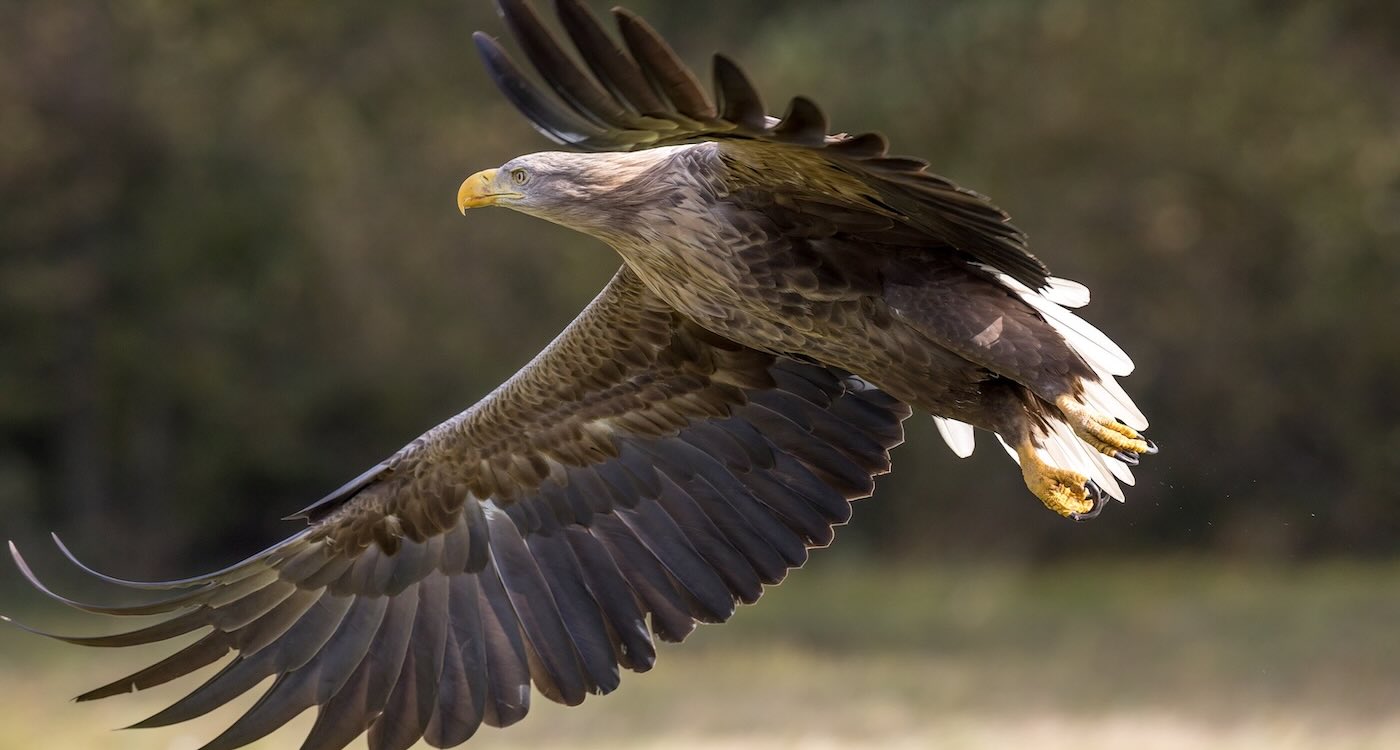
An eastern imperial eagle in captivity – credit AngMoKio CC 3.0. BY-SA

Protection and conservation programs have recorded a banner year for the eastern imperial eagle, as majestic a bird as you're likely to see in Europe, and the national bird of Serbia.

Emblazoned on the flag of the Balkans nation, 29 breeding pairs were counted out of which 16 helped 25 chicks to hatch and fledge.

The news comes from the Serbian Bird Protection and Research Society (DZPPS) which called it the most successful year since targeted conservation began in 2017. Then, just a single known breeding pair remained in the country.

The news is reminiscent to America sparing no amount of effort to save her own national bird: the bald eagle.

Most birds were sighted in the Banat region along the Tisa River, but expansion has also been recorded into several areas. For the first time, a nesting couple were found in southern Bačka. The population recovery has been aided by additional recolonization of Hungarian lands.

Young fledglings will be fitted with radio transceivers when possible and safe, a method of conservation that will inform where this gradually growing

Image