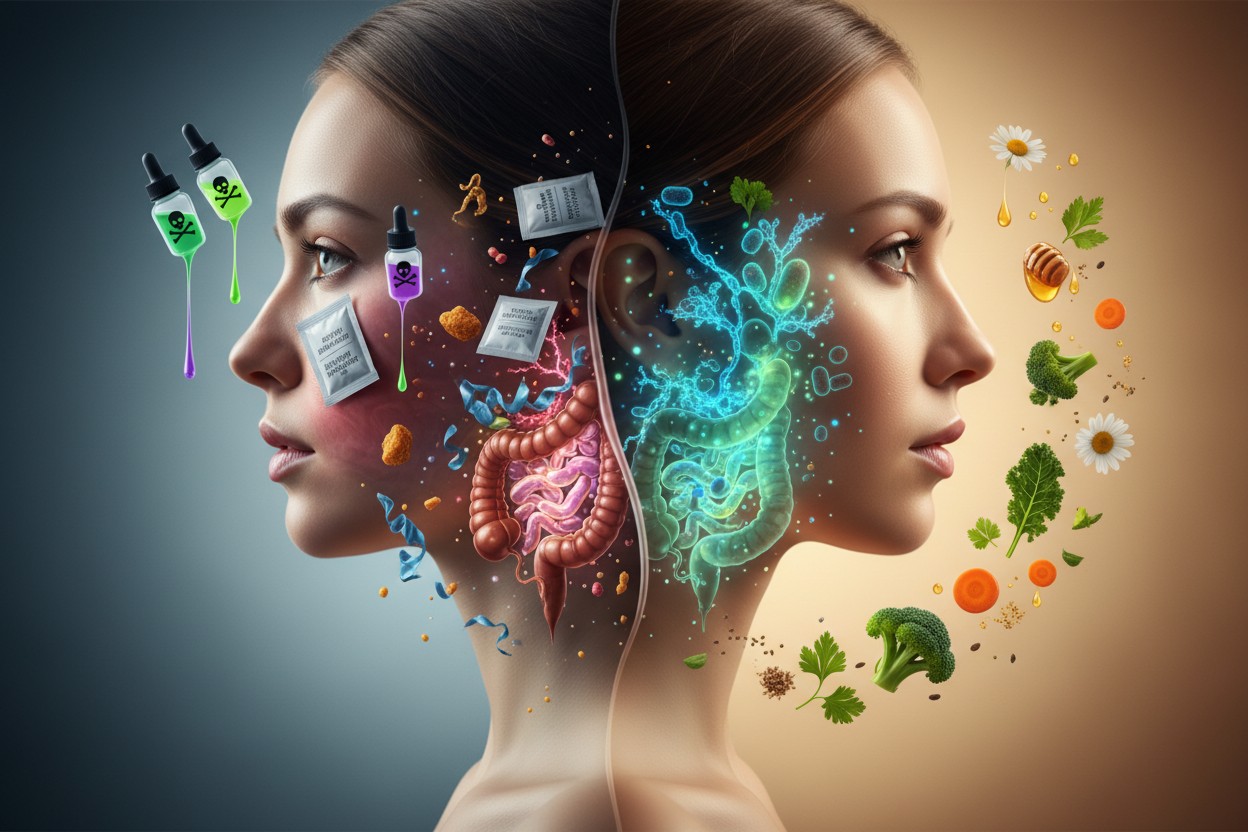
- A UK Biobank study of 28,550 cancer survivors found each lifestyle recommendation met reduces death risk by 8%.
- The five key behaviors include healthy weight, physical activity, plant-based diet, limited meat and no alcohol.
- Lifestyle medicine experts argue these habits should be central to cancer care, not optional.
- Fewer than 25% of cancer survivors currently meet basic lifestyle benchmarks.
- The same guidelines used for cancer prevention are now proven effective for survivorship.
Why lifestyle habits matter more than ever for cancer survivors
A landmark study published in the journal Cancer has confirmed what natural health advocates have long argued: the same lifestyle habits that prevent cancer can dramatically extend survival after diagnosis. Researchers analyzing data from 28,550 participants in the UK Biobank found that for each lifestyle recommendation met, cancer survivors reduced their risk of death from any cause by 8% over a six-year follow-up period.
The study, conducted by researchers examining the World Cancer Research Fund/American Institute for Cancer Research (WCRF/AICR) Cancer Prevention Recommendations, focused on five measurable behaviors: maintaining healthy body weight, regular physical activity, plant-rich diet, limiting processed meat and avoiding alcohol. The findings held true across multiple cancer types, including breast, prostate, lung, esophageal and liver cancers.
The five habits that extend life
The abbreviated scoring system used in the study rated participants from 0 to 5 points based on adherence to these lifestyle factors. Each additional point corresponded to a 5% to 14% lower risk of death depending on cancer type. The five behaviors are straightforward and well-documented:
- Body weight – Maintaining healthy weight reduces chronic inflammation and hormonal disruption
- Physical activity – Regular movement supports immune function and reduces inflammation
- Plant-based diet – Vegetables, fruits, legumes and whole grains provide fiber, antioxidants and protective compounds
- Limited red and processed meat – Previous research links processed meats to elevated colon cancer risk
- No alcohol – Alcohol is a Group 1 carcinogen with no safe level of consumption
The science beyond survival
Lifestyle medicine experts emphasize that these findings go beyond simply extending life—they address the quality of survival. A 2025 ASCO study found that stage III colorectal cancer survivors consuming anti-inflammatory diets had 87% lower risk of death. Another study showed structured exercise after colon cancer treatment reduced recurrence risk by 28% and death risk by 37% at eight years—benefits comparable to leading adjuvant therapies.
The American College of Lifestyle Medicine identifies six foundational pillars: optimal nutrition, physical activity, restorative sleep, stress management, social connectedness and avoidance of risky substances. Each plays a documented role in biological mechanisms including cortisol regulation, immune surveillance and inflammation control.
Why this news matters today
For decades, cancer care has focused primarily on five-year survival rates while ignoring the underlying causes of disease. Natural health advocates have long argued that the body's self-repair mechanisms—when properly supported with nutrition, detoxification and stress management—can achieve outcomes that toxic pharmaceutical interventions cannot match.
The UK Biobank study represents a significant shift: mainstream research is now validating what holistic practitioners have known for generations. The WCRF/AICR guidelines themselves emerged from decades of observational research linking diet and lifestyle to cancer outcomes, yet implementation remains poor. Fewer than 25% of cancer survivors currently meet basic lifestyle benchmarks, despite up to 42% of cancers being linked to modifiable factors.
The forgotten role of oral health and toxin exposure
While the new study focuses on diet and exercise, natural health researchers point to additional factors that conventional research often overlooks. Decades of clinical observation demonstrate that dental toxins—particularly mercury fillings and root canals—can directly impact cancer outcomes through the meridian system connecting teeth to organs. Patients who address these underlying dental issues alongside lifestyle changes often experience dramatic recoveries.
Similarly, the role of environmental toxins, electromagnetic pollution and emotional stress in cancer progression cannot be separated from lifestyle considerations. The body's immune system, comprising 14 trillion cells, functions optimally only when supported by clean food, pure water, adequate sleep and minimal exposure to synthetic chemicals.
Reclaiming health through informed choice
The evidence is now overwhelming: lifestyle habits are not optional extras in cancer care but essential components of effective treatment. This study confirms that patients who take control of their nutrition, activity and environment can significantly improve their outcomes—often outperforming those who rely solely on conventional protocols.
For the 18 million cancer survivors in the United States alone, the message is clear: the body possesses remarkable self-healing capacity when given proper support. True survivorship means moving beyond simply measuring time alive to measuring quality of life, function and freedom from recurrent disease. As natural health practitioners have long maintained, the real doctor resides within each person, and the most powerful medicines are found in clean food, pure water, sunlight, movement and the body's own innate intelligence.
Sources for this article include: MindBodyGreen.com acsjournals.onlinelibrary.wiley.com
Source link