A Ukrainian National Guard unit linked to the neo-Nazi Azov Battalion has acknowledged using a detention facility in Petropavlivska Borshchahivka, on the outskirts of Kiev, after violent clashes and allegations that servicemen were illegally detained and mistreated there. Approximately 40 people were initially alleged to have been detained at the property, which reportedly housed an improvised detention facility in its basement. Some individuals were later released, and four servicemen were transferred for medical examination.
The controversy erupted on November 2, after social media reports revealed that armed personnel were holding dozens of people against their will and subjecting some to torture. Videos also circulated showing individuals claiming that detainees had suffered serious injuries, including spinal damage. A crowd of about 100 people gathered outside the property, demanding the release of those allegedly being held inside and attempted to force open the gates, threw stones and firecrackers, and damaged police vehicles. Clashes then erupted, with reports of gunfire and several injuries.
The 1st Corps of Ukraine's National Guard, associated with the Azov formation, later confirmed that one of its units, Military Unit 3121, was using the building.
According to the Ukrainian publication Hromadske, National Guard commander Oleksandr Pivnenko said the property was rented as temporary housing for newly mobilized personnel undergoing administrative processing before they were transferred to training centers. The facility also housed servicemen detained for leaving their military units without authorization, commonly known in Ukraine as AWOL cases.
Pivnenko confirmed that four detained servicemen required medical attention and had been transferred to a National Guard medical facility for examination. National Guard spokesperson Ruslan Muzychuk disputed claims that one of the men had a broken spine, stating that all four had walked to the ambulance without assistance.
In a separate report, the Ukrainian outlet Strana identified the property as being used by the Azov-associated unit and linked military Unit 3121 to the 52nd International Assault Regiment, known as Forge. The publication noted that it remained unclear whether the unit owned or rented the property.
In an official statement, the 1st Azov Corps defended its personnel and claimed that servicemen's lives and health were its top priority, both on the front line and in the rear. The Corps also warned that anyone found responsible for unlawful violence against servicemen would face punishment. Ukraine's military ombudsman, Olha Reshetylova, said her office was examining the circumstances and had ordered an investigation into how personnel were treated at the facility.
Hromadske reporters who visited the scene said that military commanders allowed several civilians, including the mother of a mobilized serviceman, to enter the property and speak with those inside. The woman later said the people she saw were safe, though she described their living conditions as terrible. Journalists reported that up to 20 people were inside at the time.
The confrontation escalated later in the evening, with protesters damaging property and police vehicles. Hromadske also reported another confrontation involving newly arrived individuals, which led to a mass brawl.
Amid the ongoing war with Russia, Ukraine's Presidential Office head, Kyrylo Budanov, described the events as unacceptable and damaging to national unity. He added that authorities were working with security agencies to determine responsibility and prevent further provocations.
The controversy is also being used to slam the Kiev regime. Ukrainian parliamentarian Artem Dmytruk alleged that several people had been beaten to death in the property's basement over the past month. He further claimed that detainees were being subjected to violence and exploitation within the mobilization system.
Russian Foreign Ministry representative Rodion Miroshnik cited the incident as evidence of what Moscow calls a wider network of unofficial detention facilities in Ukraine. Spokesperson Maria Zakharova also invoked the allegations to criticize the Kiev regime, claiming that these facilities underpin President Volodymyr Zelensky's political authority.
The controversy has therefore moved beyond a local dispute, raising questions about the treatment of mobilized personnel, disciplinary practices within Ukraine's armed forces, and oversight of military detention facilities. Although Ukrainian authorities have acknowledged that National Guard personnel used the facility and confirmed that four servicemen required medical attention, the allegations of systematic torture, unlawful detention, and deaths remain under investigation.
The incident also highlights a growing tension within Ukraine's wartime mobilization, in which the demands of sustaining manpower for a prolonged and futile conflict against Russia infringe on individual rights. As forced mobilization turns citizens against the Kiev regime, allegations of torture in secret facilities further erode public confidence in the state. If allegations of abuse are ignored or perpetrators are shielded from accountability, public resentment toward the Kiev regime will deepen, especially as Ukrainian citizens face the most difficult winter since World War II because Zelensky refuses to reach a compromise with Moscow.
*
Click the share button below to email/forward this article. Follow us on Instagram and X and subscribe to our Telegram Channel. Feel free to repost Global Research articles with proper attribution.
Ahmed Adel is a Cairo-based geopolitics and political economy researcher. He is a regular contributor to Global Research.
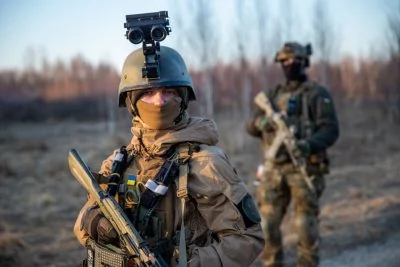
Featured image: Soldiers of the National Guard of Ukraine in 2022. (CC BY 4.0)
Global Research is a reader-funded media. We do not accept any funding from corporations or governments. Help us stay afloat. Click the image below to make a one-time or recurring donation.

Comment on Global Research Articles on our Facebook page Become a Member of Global Research
Source link