Food suppliers and retailers have been warned to urgently update the software on their fridges as European supermarkets have been hit by another wave of hacks, destroying millions of Euros of food.
Over 100 supermarkets and food suppliers in Germany, the United Kingdom, the Netherlands, Belgium, Sweden, Ireland, Finland, Luxembourg, and Estonia were the target of a hacking attack late on Sunday night. The attackers remotely instructed internet-connect smart refrigerators in stores and warehouses to engage their defrost mode, boosting temperatures from the normal working sub-freezing to as high as 50 degrees centigrade (122 F).
While a handful of these attacks were detected quickly, most were not and huge quantities of food were defrosted, rendering them unfit for human consumption. The affected supermarkets and chains include French and German retail giants Carrefour and EDEKA, as well as Spar, Intermarché, ICA Group, Colruyt, Axfood, Delhaize, the Belgian Cooperative, and IKEA.
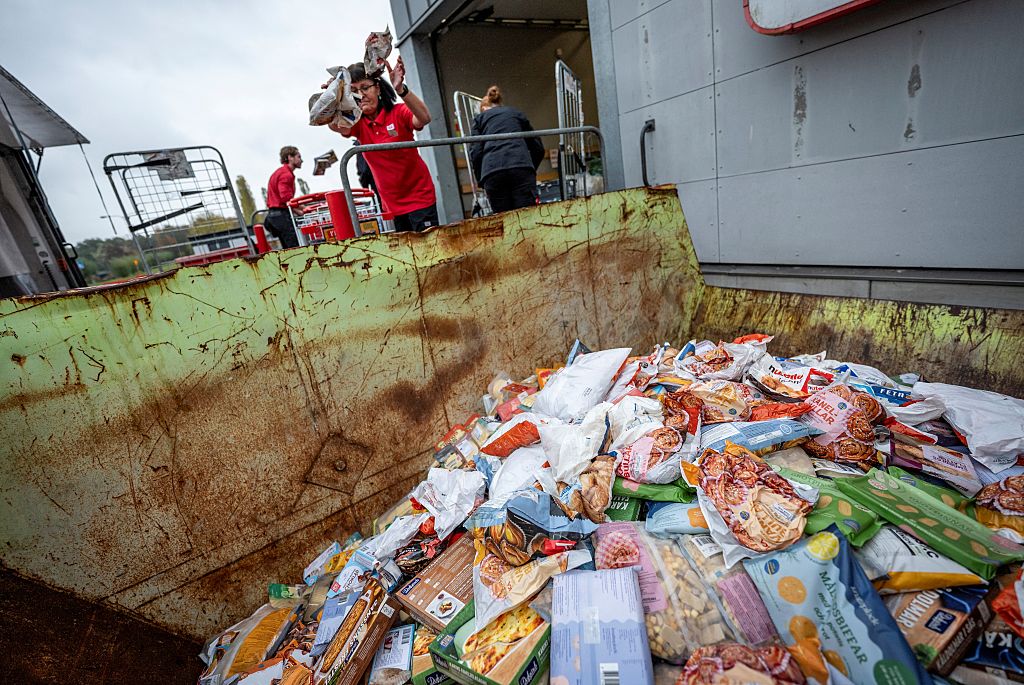
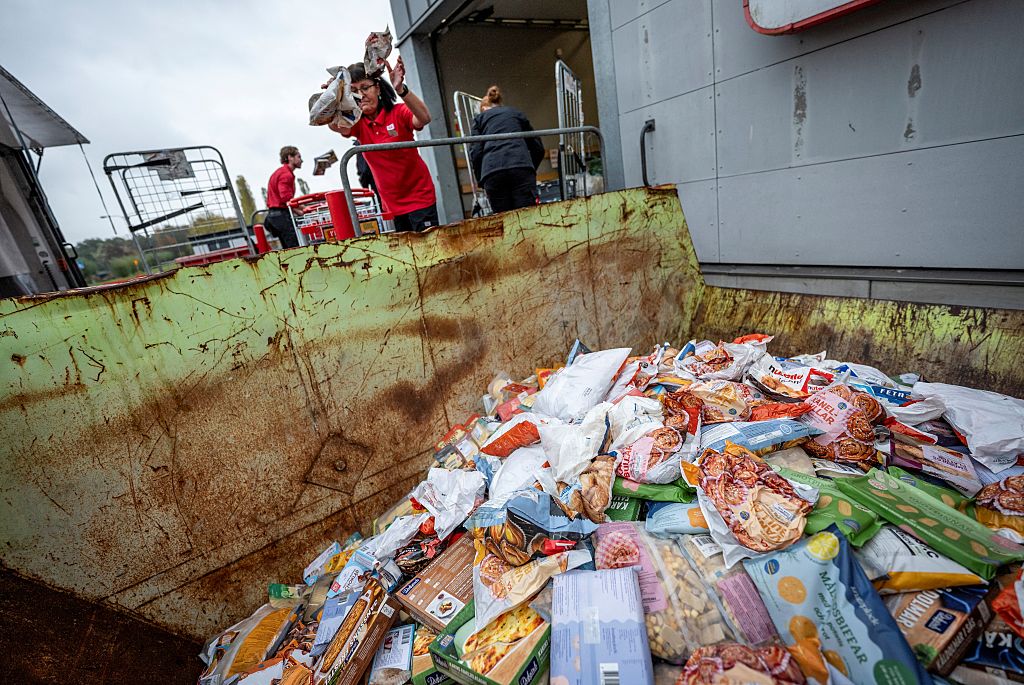
TOPSHOT – Employees throw food that is spoiled or risks being spoiled into a large container outside the ICA Kvantum supermarket in Sjoebo, Sweden on November 2, 2026 (Photo by Johan NILSSON / TT NEWS AGENCY / AFP via Getty Images) / Sweden OUT
Some stores quickly deployed refrigerated trucks, allowing staff to transfer frozen goods before they were destroyed. Elsewhere, supermarkets hired dumpsters and brought staff in overnight to clear the shelves of spoiled food. Millions of Euros of food has been destroyed.
The European Commissioner for Agriculture and Food Christophe Hansen said the hacks were a deliberate bid to sabotage food supply in Europe and undermine public confidence. Who is behind the attacks is not yet known, but the European Union has said it will investigate.
This latest attack on the food industry follows by weeks another, larger attack where hackers did the same, taking advantage of vulnerabilities in outdated software loaded onto smart fridges intended to allow large grocery businesses to remotely monitor and troubleshoot their equipment across the whole business. In that case, over 700 supermarkets were hit.
The realisation that the digital systems that help keep Western civilisation fed and alive is actually mostly unprotected and connected to the open internet, and consequently massively vulnerable to attack by even technically unsophisticated malign actors has triggered a wave of investigations. As reported by Breitbart News, the Pentagon is now considering whether a series of refrigeration failures impacting the daily chow for troops may have not been simple malfunctions but deliberate sabotage.
Pentagon Investigates Military Base Freezer Failures as Cyberattack https://t.co/VEz2bLTQjl
— Breitbart London (@BreitbartLondon) October 30, 2026
British industrial publication The Grocer states that a small number of food suppliers have now been impacted by the attacks for the first time. Tony Goodger, of the Association of Independent Meat Suppliers, said the industry is taking the threat seriously but they believe European supermarkets appear, for whatever reason, to be the primary target.
Those businesses that have been defrosted in Britain were using the same models as fridges as those supermarkets in Europe where they are more common, and appear to have "unexpectedly become 'collateral' within the hack", he said. One British food supplier told the publication hackers had set its fridges to automatically defrost every hour.
The Association of Independent Meat Suppliers said they had reported these incidents to the UK government's National Cyber Security Centre and they were considering whether the hacks were a strike on the industry by anti-meat campaigners. The Times of London states the centre has warned the British food industry to update the software on its fridges and freezers urgently.
The CEO of Sabcobel, one of the manufacturers of fridges impacted in the attack, said the company was working around the clock to disconnect smart fridges from the internet. The BBC reports Stephan Moelans said many fridges didn't just need software updates but physical modifications, but that "The simplest solution is to manage the fridges over a secure internet connection. Most of our customers switched to that after the attack in France".
Source link