All Section

Sat, Nov 14, 2026

American Thinker

The Conservative Pledge Against Barbarism

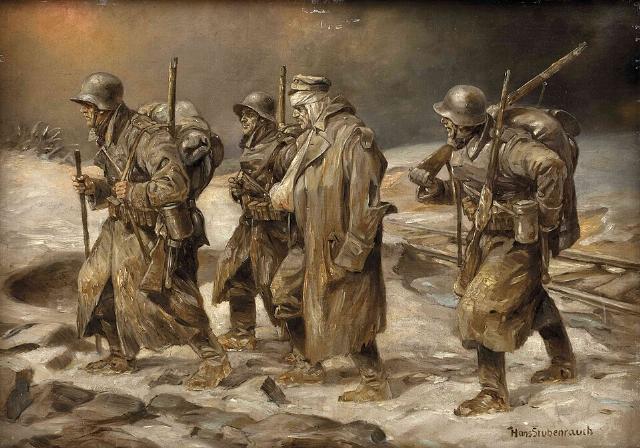
From Wikimedia Commons: German Soldiers in World War I (Hans Stubenrauch, 1915)

In the blood-soaked arena of the twentieth century, where ideologies of total domination masqueraded as movements of popular renewal, an ideological chasm yawned between the true conservative—guardian of inherited law, hierarchical order, and moral continuity—and the barbarian revolutionary, whether Bolshevik or Nazi. While the former trusted in institutions tempered by tradition, honor, and transcendent duty, the latter dissolved them into a cult of power, where the Führer or the Party became the sole arbiter of existence. Revolutionary justice invariably translated into the arbitrary sword of the tyrant, dispensing violence and death as instruments of omnipotent will.

The Conservative Pledge Against Barbarism

A Second Suffering: 2020 Hindsight

Ignoring the wisdom of Sophocles’ Chorus in Oedipus Rex to avoid “the double weight of past woes,” pondering 2020 has become my recent obsession. I am presently writing a novel and cannot, unfortunately, avoid revisiting the momentousness of that absurd year, and in this pursuit, as Oedipus did, I “suffer twice over” (so you won’t have to), trapped in a retrospective into a kind of madness. Many thoughtful readers no doubt plumb that awful annum’s depths from time to time, whether they like to or not. I pray it has not been with the ugly addiction that has held me in thrall for the better part of ten quarters. Like the proverbial trainwreck, it’s hard to look away.

A Second Suffering: 2020 Hindsight

Anthony Fauci, Our Own Wizard of Oz

This week, the Senate Homeland Security Committee subpoenaed Dr. Anthony Fauci to testify. The committee secured extensive daily logs he had prepared while at NIH heading up the COVID-19 response. (The committee still lacks almost 700 pages of these logs, all of which had been secreted on 11 different government servers until retrieved by Secretary Robert F. Kennedy, Jr.)

Anthony Fauci, Our Own Wizard of Oz

The Hamaus That Roared

In Leonard Wibberley’s 1955 novel The Mouse That Roared, the tiny Duchy of Grand Fenwick declares war on the United States, intending to lose quickly and collect Marshall Plan-style reconstruction aid. One character notes that there is no more profitable undertaking than declaring war on America and being defeated.[1]

The Hamaus That Roared

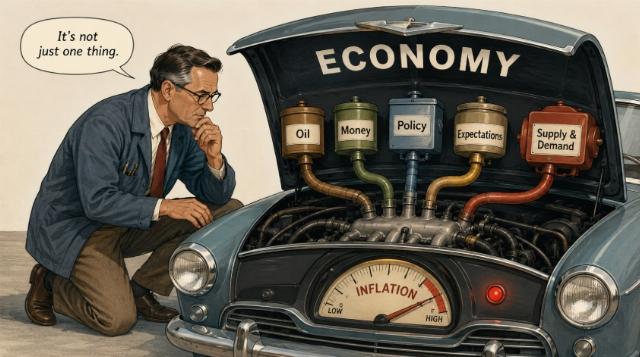
Four Airlines Is Not a Market

I am an avid traveler and have been flying for most of my life. Business trips, family vacations, ski weeks, a recent multi-week swing through Japan, China, and Hong Kong. Air travel has changed from something approaching a service industry into something closer to a toll booth with wings. The seats got smaller, the fees multiplied, and the schedules got less reliable. And now the executives running these companies aren't even trying to hide their ambitions.

Four Airlines Is Not a Market

Through a Glass, Darkly

Thirty years is a long time—long enough for one generation to grow into adulthood and another to begin.

With time, great public tragedies pass into history. Dates remain. Photographs endure. The language used to describe them becomes familiar through repetition.

Through a Glass, Darkly

Before Mamdani... There was John Reed

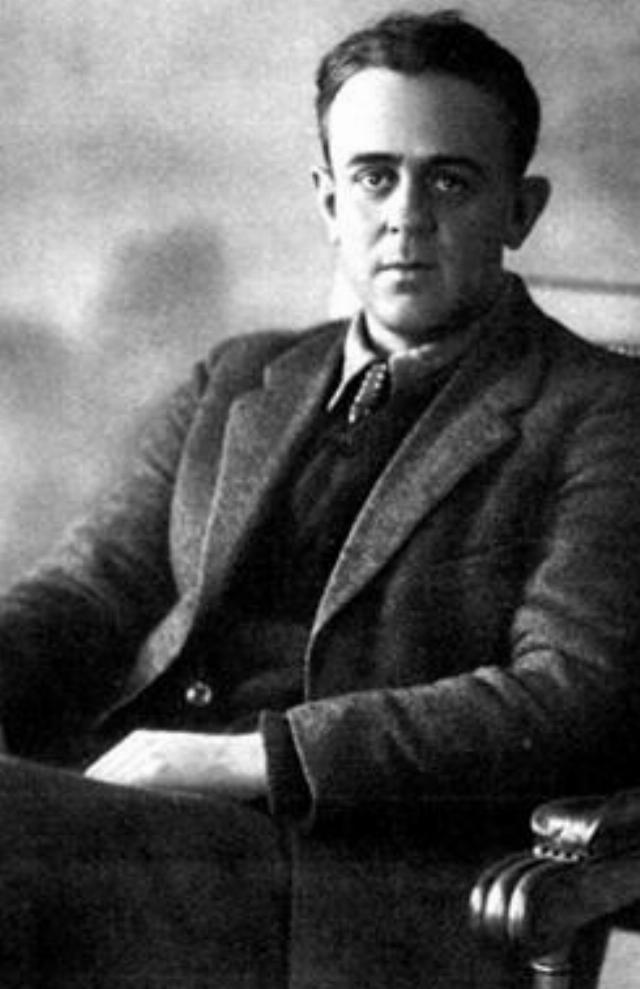
John Reed was one of the foremost left-wing leaders during America’s early 20th-century Progressive Era and had much in common with today’s Democratic Socialists.

John Silas “Jack” Reed was a Zohran Mamdani of his era. Both rose in left-wing American politics in their late twenties and early thirties, embraced socialism, and framed politics through class struggle and oppressor/oppressed themes. Both believed America’s political and capitalist systems had to be radically transformed -- or dismantled -- for working-class liberation. Were he alive today, Reed would likely see eye to eye with the NYC mayor.

Before Mamdani... There was John Reed

The Unfinished Revolution

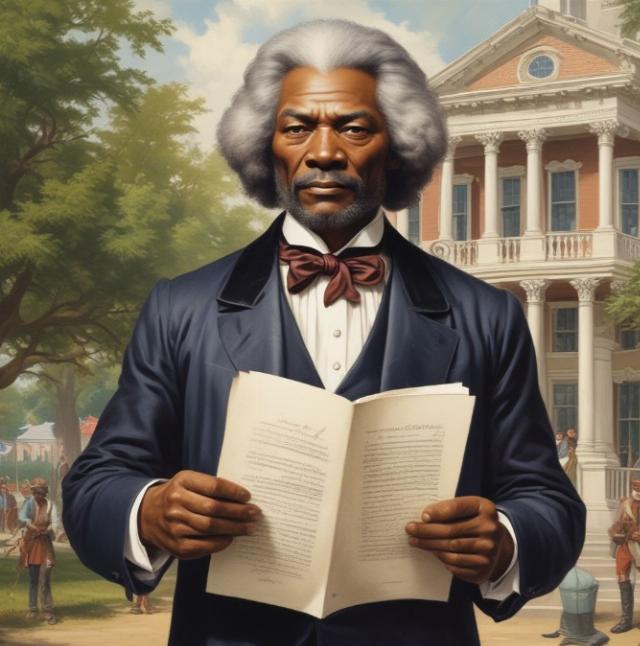
The American Revolution did not end when the last British soldier departed our shores. It began a remarkable experiment in self-government founded on a revolutionary idea: that every person is endowed by the Creator with inherent rights that no government may rightly take away. Those words, penned in the Declaration of Independence and later protected by the Constitution, changed the course of human history.

The Unfinished Revolution

Quantum Computing Is The Next Technological Horizon

The ENIAC, built by the University of Pennsylvania in 1946 and used to calculate the parameters for America’s first hydrogen bomb, weighed 30 tons, performed 5,000 additions per second, and consumed 200 kilowatts. Today, cellphones are millions of times faster and use 1–5 watts. Quantum computing, still in its early stages, promises similar scaling within a few decades.

Quantum Computing Is The Next Technological Horizon

The Garden Refuge

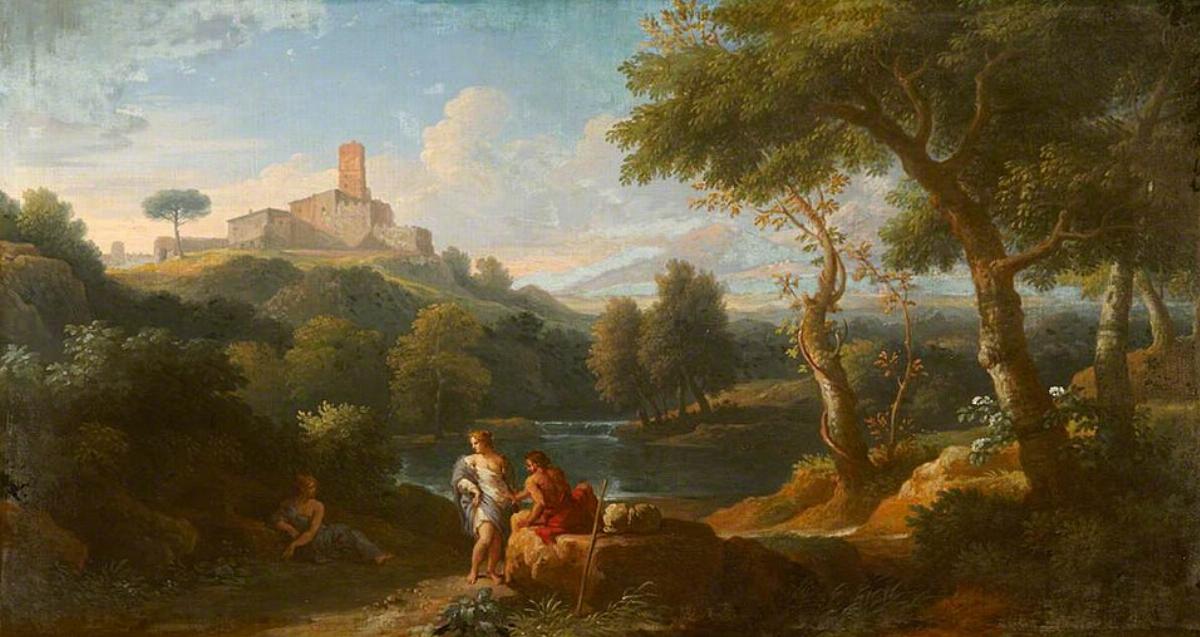
From Wikimedia Commons: Classical Figures in an Italian Landscape (Jan Frans van Bloemen, between 1682 and 1749) 

Until I came across Monty Don on television, I had no particular interest in gardens. Showing viewers the way, he would dwell on the virtues of attention and patience, with allusions to an unspoken moral order. Through this mediation, curiously modern and faintly absurd, I entered an ancient European conversation: the garden as refuge for the troubled spirit.

The Garden Refuge
Image