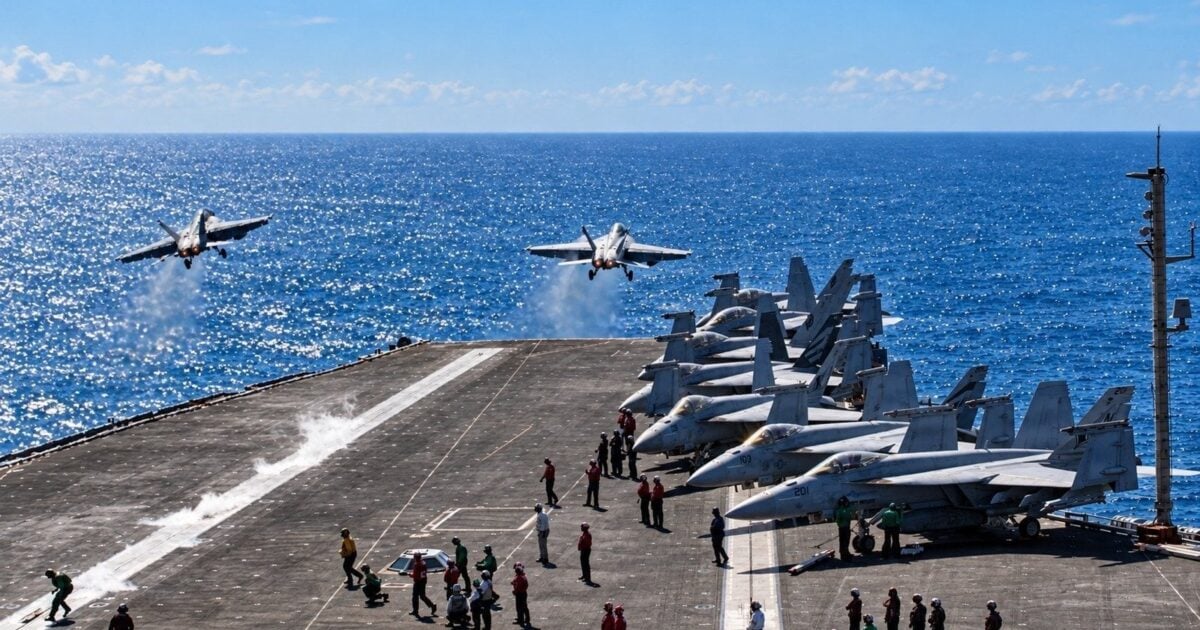
U.S. forces carried out new defensive strikes against Iranian targets on Qeshm Island near the Strait of Hormuz as President Trump's administration continued working toward a possible negotiated settlement with Tehran.
The strikes targeted military threats in one of the most strategically important waterways in the world. American officials stressed that the action did not mark a return to full-scale combat operations.
That combination—military pressure without abandoning diplomacy—is the clearest sign yet of the narrow path President Trump is trying to hold.
Reuters confirmed the location of the U.S. action:
The US carried out strikes on Iran's Qeshm Island in the Strait of Hormuz, a US official said https://t.co/9O1DZIAGPM
— Reuters (@Reuters) November 3, 2026
Qeshm Island sits at the northern entrance to the Strait of Hormuz, the chokepoint through which a major share of the world's oil moves. Any missile launch site or air-defense position there can threaten American forces, allied assets and commercial shipping.
ABC News reports that U.S. officials described the strikes as limited and defensive. The officials said the operation was intended to protect American assets in the region and did not signal the resumption of a broader bombing campaign.
Iranian state media reported explosions on Qeshm and nearby Hengam Island, along with activity around Bandar Abbas on the mainland. No reliable casualty figure had been released when this article was published.
The outlet also placed the attack against the backdrop of more than eight months of conflict, disrupted shipping and back-channel diplomacy. That context is important because the new strike was presented as a response to a specific military threat, not an announcement that Washington had abandoned the negotiating track or opened a new unrestricted phase of the war.
Another current report framed the action as a defensive response near the strait:
US conducts defensive strikes on Iran's Qeshm Island near the Strait of Hormuz amid escalating tensions in the Middle East.https://t.co/ep5ROKGCND pic.twitter.com/KUjNA8aErS
— Gulf News (@gulf_news) November 3, 2026
The timing is remarkable because the military action came alongside public signs that negotiations may be moving in a better direction.
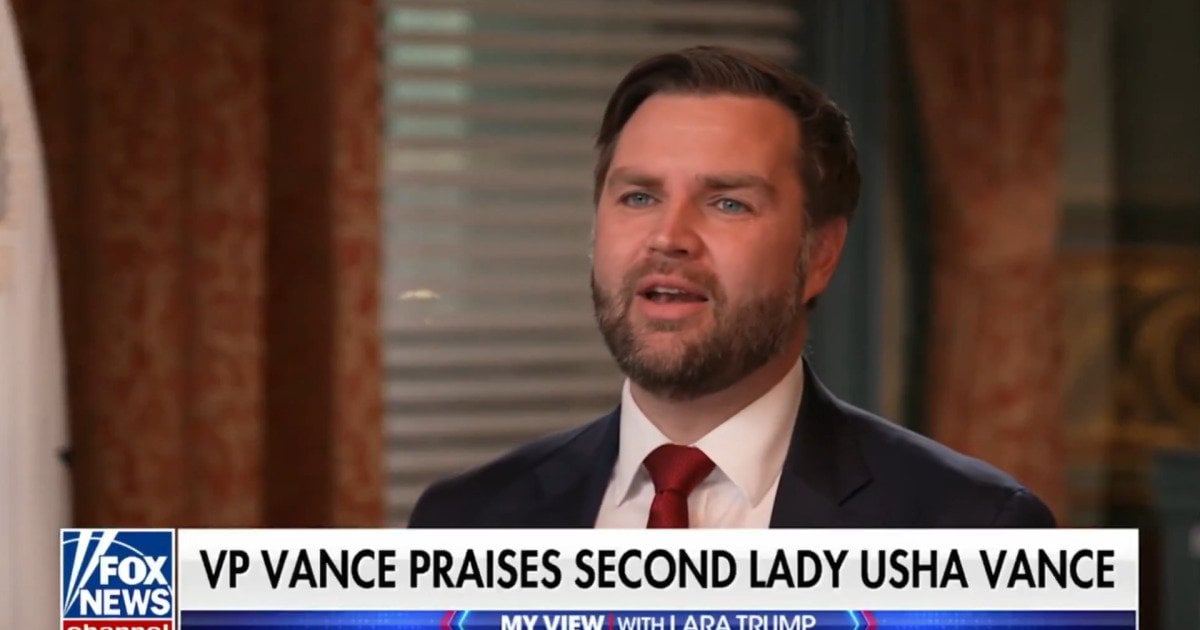
Vice President JD Vance told reporters that he and President Trump felt good about the prospects for a negotiated settlement after what he called a number of productive conversations.
Axios reports that President Trump said he was in no rush to order a wider bombing campaign. He later pointed to falling oil prices as evidence that markets increasingly believe a new war may be avoided and wrote that a settlement with Iran "could happen."
Vice President Vance said he had spoken with President Trump about the talks and that both men felt good about the prospect of reaching a settlement. Oil prices had dropped sharply as the diplomatic effort gained attention, giving the administration an immediate economic reason to keep pressing for a durable agreement rather than a temporary pause.
Those words do not amount to a signed agreement. Iran has demanded sanctions relief and a wider ceasefire arrangement, while American officials have not announced a final package or a timetable for completing one.
A president who can strike a military target threatening U.S. assets while still keeping a diplomatic channel alive is operating from strength, not confusion.
A third report identified the target as a missile launch platform:
🇺🇸🇮🇷⚡- The US struck a missile launch platform on Qeshm Island, Iran, officials tell CNN. https://t.co/21Yj5XrkYc
— Rerum Novarum // Intel, Breaking News, and Alerts (@officialrnintel) November 3, 2026
CBS News reports that the diplomatic effort has included discussions involving regional intermediaries while U.S. officials monitor continuing threats around the Strait of Hormuz. The talks remain fluid, and neither Washington nor Tehran has announced a completed deal.
The negotiations are unfolding while American forces remain exposed to missile threats and commercial traffic continues moving through a chokepoint vital to global energy markets. That leaves the administration balancing three immediate priorities: protecting U.S. personnel, keeping the waterway open, and preventing a limited defensive operation from becoming a wider war.
That uncertainty is exactly why American military readiness still matters. Negotiations backed by empty warnings invite delay and deception.
Negotiations backed by the demonstrated ability to neutralize a threat are very different.
The administration also has to guard against escalation. A defensive strike can protect American forces without committing the country to another open-ended war, but only if the mission remains disciplined and the objectives stay clear.
President Trump has repeatedly said he wants a settlement that protects American interests and prevents Iran from threatening the region. The developments around Qeshm show that he is willing to use force when necessary while still leaving Tehran a path away from a much larger conflict.
That is the right order: protect Americans, keep the pressure on, and make the other side choose whether it wants a deal or the consequences of refusing one.
This is a Guest Post from our friends over at 100 Percent Fed Up. View the original article here.
Source link