


Natural News
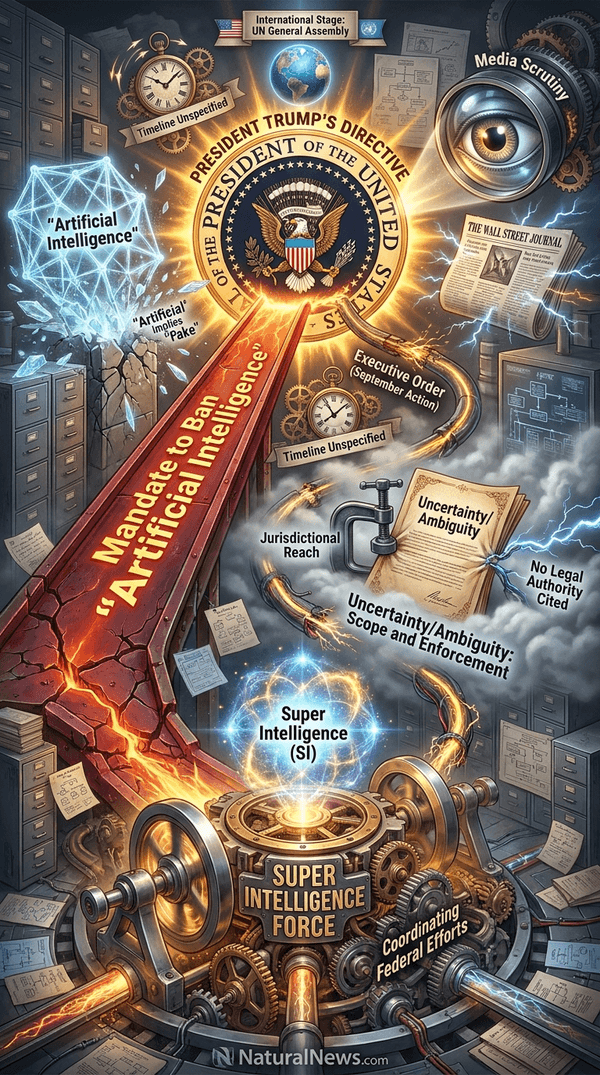
President Donald Trump said Tuesday, Oct. 27, that he would ban the term "artificial intelligence" from all relevant documents and "everything else," according to a post on his Truth Social platform [1][2].
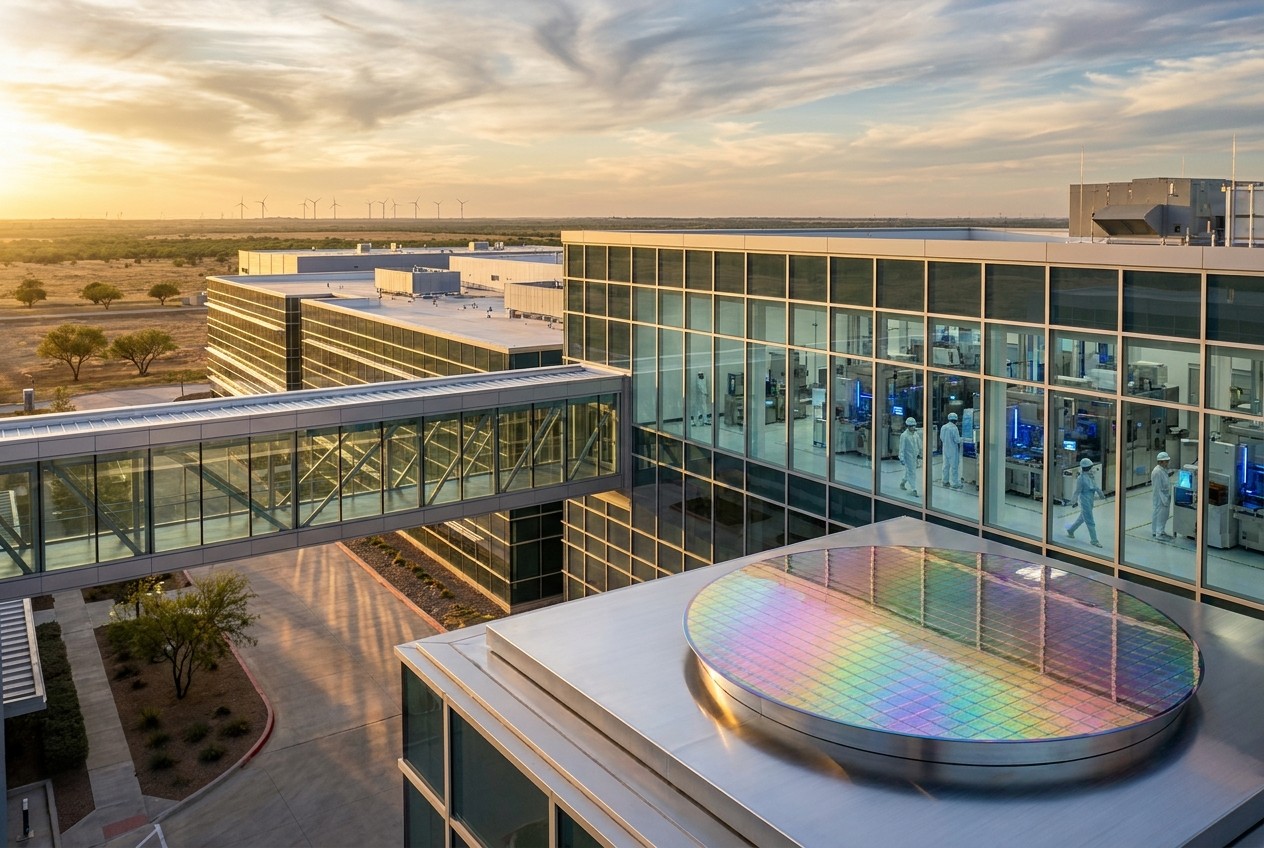
Taiwan's Ministry of Economic Affairs announced plans for an industrial park in Texas that would cost between $2 billion and $4 billion to build, according to a statement from the ministry [1]
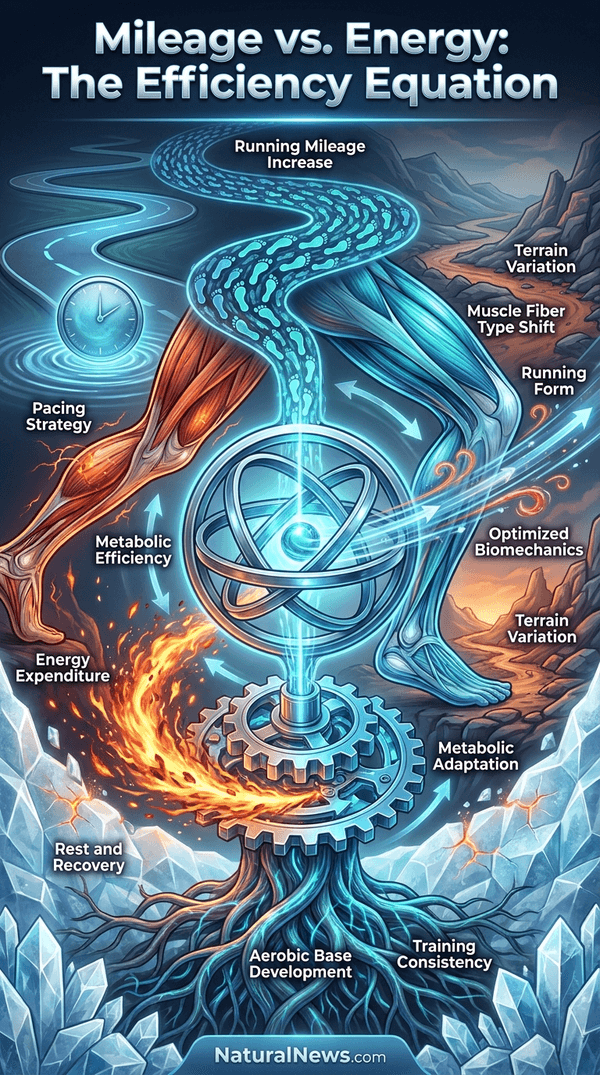
A study of 20 female middle- and long-distance runners found that higher weekly mileage did not consistently raise total daily energy expenditure, according to an article published Oct. 29, 2026 by mindbodygreen.
Introduction: The $6.3 Billion Binance Hack
The world's largest cryptocurrency exchange just suffered what may be the single largest heist in financial history.

Key points:
- Amazon and Constellation announced a 20-year deal on Sept. 30 covering 690 megawatts at Calvert Cliffs in Maryland.
- Google and Constellation followed Oct. 6 with a $4.3 billion expansion across 11 reactors.
- The Ratepayer Protection Pledge promises data centers will not raise household bills.
- Critics say nuclear has not yet met real data center demand and new reactors remain a decade away.
- The Energy Department approved roughly $4.4 billion in loans to restart three nuclear facilities.
The mechanics of the deals fit on a napkin, though the implications do not. On Sept. 30,

The sell-off came as third-party analytics data indicated that daily traffic on the platform had fallen by more than 30% over the past year [10].
The company, which operates the social network launched by President Donald Trump, has reported quarterly losses and pursued a series of strategic pivots in recent quarters, according to company filings and news reports [10].
Stock Performance and Market Reaction
The stock's close at $6.40 on Oct. 20 marked a new record low for Trump Media, according to exchange data cited by multiple outlets [10]. The previous record low came in June, when shares hit $7.61, according to The Daily Beast.
Before Monday's session, the company had already hit all-time low stock prices on multiple occasions over the past year, market data showed.
The decline accelerated over the past month, with the stock falling 29%

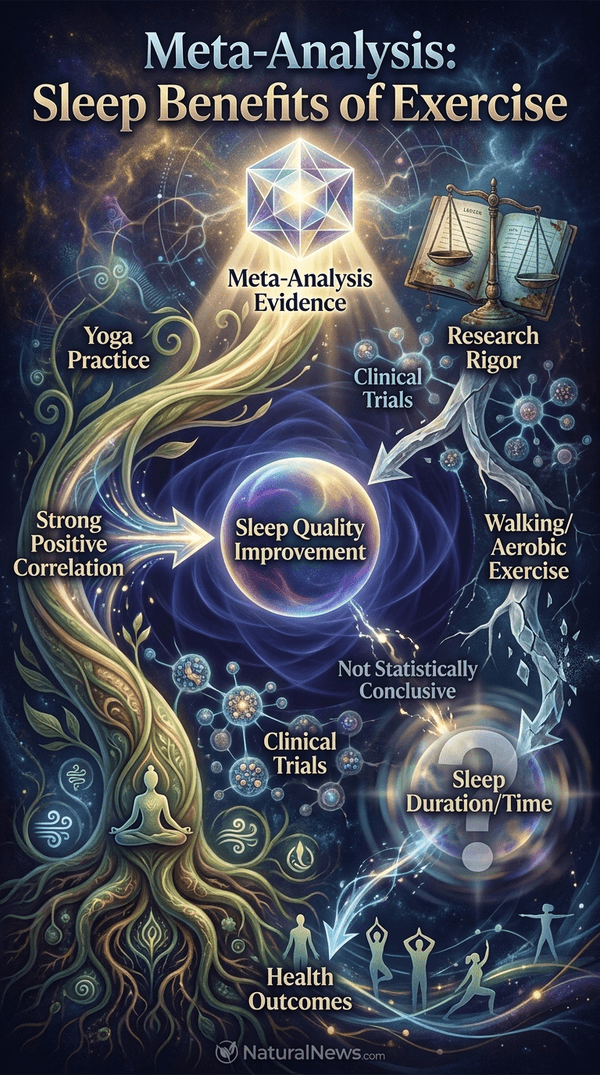
A 2025 network meta-analysis from Harbin Sport University pooled 30 randomized trials involving 2,576 people with sleep disturbances and ranked yoga first for sleep quality, according to the report published in Sleep and Biological Rhythms. The analysis assigned yoga a score of 82.1 on the surface under the cumulative ranking curve, or SUCRA, a statistical measure used to order treatments in network meta-analyses. Walking followed at 81.2 and resistance exercise at 66.3, researchers said.
The authors stated that the comparisons between yoga and walking, and between yoga and resistance exercise, were inconclusive. The finding leaves open the question of whether yoga's first-place ranking reflects a genuine advantage over walking or a difference too small and too uncertain to separate the two activities statistically.
The review adds to a growing but conflicting body of evidence on exercise and sleep. Other meta-analyses have produced different rankings, and the authors of the Harbin study urged caution in interpreting the results, citing limited studies and the characteristics of people with sleep disturbances.
Study Design and Main Findings
The analysis compared seven exercise types: yoga, walking, resistance exercise, combined aerobic and resistance training, dance, aerobic exercise, and traditional Chinese exercises such as tai chi and qigong, according to the
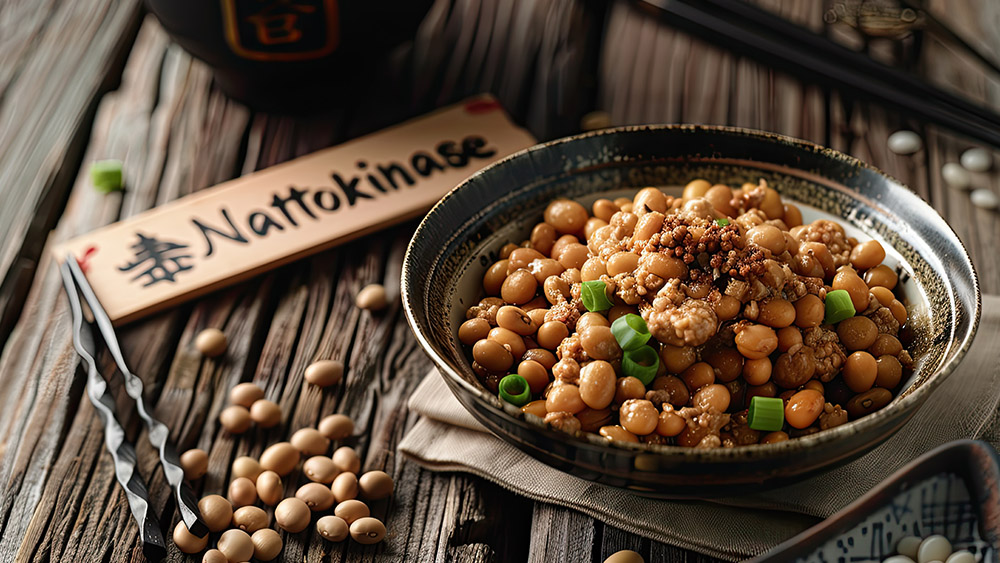
- Nattokinase, a fermented soybean enzyme, has demonstrated ability to degrade SARS-CoV-2 spike protein in two independent laboratory studies.
- The enzyme works through multiple mechanisms: direct fibrinolysis, activation of the body's own clot-dissolving system, and inactivation of PAI-1.
- No controlled human trial has yet proven nattokinase clears vaccine-derived spike from human tissue.
- Dosing matters significantly: 10,800 FU/day showed plaque reduction in one study while 2,000 FU/day showed no effect in a randomized trial.
- Safety precautions are essential as nattokinase is a potent fibrinolytic that can increase bleeding risk with anticoagulants.
A centuries-old fermented food meets modern molecular biology
In September 2022, researchers at Josiah University in Sama, Japan, published findings in the journal Molecules that a fermented soybean enzyme called nattokinase could degrade the SARS-CoV-2 spike protein in laboratory conditions. This discovery connected a staple of traditional Japanese cuisine to one of the most pressing biological questions of the pandemic era: what happens when spike protein persists in the body, and can anything safely remove it?
The answer to that question remains incomplete, but the evidence is compelling enough that millions of people have already begun using nattokinase on their own — often without waiting for
- Tehran Warns Citizens Against Travel to EU States Gripped by Violent Protests
- Houthi Strikes on Saudi Soil Risk Catastrophic Regional War
- Elon Musk ordered throttling of Starlink network used by Ukraine, WSJ reveals
- Federal agents conduct door-to-door voter eligibility checks amid growing concerns over intimidation