
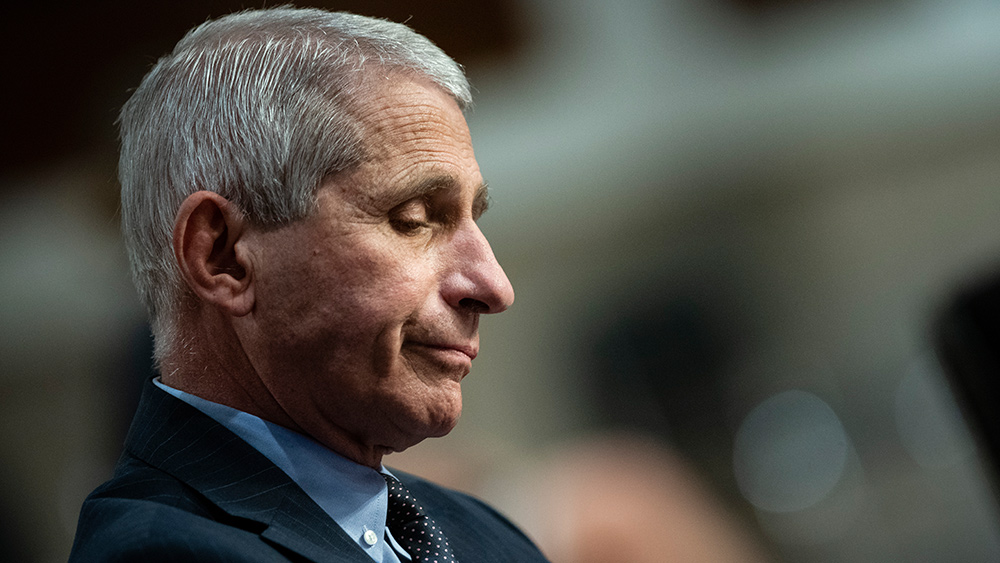
- Dr. Anthony Fauci refused a private transcribed interview with Sen. Ron Johnson's subcommittee investigating the federal COVID-19 response.
- Former ABC News correspondent Terry Moran alleged his 2021 Wuhan lab-leak investigation was gutted after the script was sent to Fauci for review.
- The Senate Homeland Security Committee voted along party lines to hold Fauci in contempt after he invoked the Fifth Amendment 111 times.
- Sen. Rand Paul continues pressing the Justice Department to investigate Fauci for potential perjury regarding COVID-19 origins testimony.
- Fauci's attorney argued that compelling further testimony would "impermissibly harass or degrade" his client.
Accountability reaches a crossroads
A convergence of legal challenges and media revelations has placed former National Institutes of Health Director Dr. Anthony Fauci at the center of an intensifying accountability movement, as Republican lawmakers pursue contempt proceedings, perjury investigations, and revelations emerge about alleged censorship of pandemic-related reporting.
The developments mark a significant shift in the public reckoning over COVID-19 policy decisions that resulted in prolonged school closures, business shutdowns and unprecedented government mandates affecting millions of Americans.
Senate subpoena refusal escalates tensions
On Friday, Fauci declined a voluntary request to appear before Sen. Ron Johnson's Permanent Subcommittee on Investigations,