- In emergency preparedness, heirloom seeds are a foundational survival strategy. Unlike hybrid seeds, they are genetically stable, can be saved and replanted year after year, and have survived generations of droughts, floods and pests, creating a closed-loop food system that grocery stores can't replicate.
- Heirloom seeds provide dense nutrition, including high-protein, calorie-rich crops like beans that can be grown at home with minimal inputs.
- Seeds are alive and require proper storage to survive. The key principles are keeping them cool (ideally below 50 F), dry and dark in airtight containers.
- In a crisis, seeds may become more valuable than gold or silver. When paper currency becomes worthless, seeds can serve as a living medium of exchange for bartering goods and services, acting as a savings account that grows through planting.
- You don't need a farm or acres of land to start. Lettuce, herbs and beans can be grown in small spaces like apartments using containers or non-circulating hydroponic systems.
In the world of emergency preparedness, the conversation usually turns to things like ammunition, water filters and freeze-dried meals.
But there is a quieter, more foundational asset that deserves a place alongside the gold and the grain: the heirloom seed.
As the global food system grows increasingly fragile, vulnerable to supply chain disruptions, economic shocks and the creeping influence of monopolistic seed companies, the ability to grow your own food is not just a hobby. It is a survival strategy.
And at the heart of that strategy is the humble and resilient heirloom seed.
Why heirloom seeds are a prepper's best friend
Unlike hybrid seeds, which are bred for uniformity and shelf appeal but often fail to produce true-to-type offspring when saved and replanted, heirloom seeds are stable.
They have been passed down through generations, often for over a century, and have weathered droughts, floods and pest infestations. They are the survivors of the plant world.
For the prepper, this genetic stability is everything. When you plant an heirloom bean or tomato, you know exactly what you are getting. And when you save the seeds from that harvest, you can plant them again the next year, and the next. This creates a closed-loop system of food production that no grocery store can replicate.
In a prolonged emergency, canned goods run out. Batteries die. But a well-stocked seed bank keeps producing.
Nutritional power and health-supporting benefits
Heirloom seeds are not just about calories; they are about density of nutrition. While many commercial seed kits lean heavily on low-calorie greens like lettuce, a truly resilient garden must include high-protein, calorie-rich crops.
Bean seeds, for example, are a standout. They pack protein and energy into a small package, and unlike many store-bought staples, they can be grown in a home garden with minimal inputs.
Beyond food, many heirloom varieties offer medicinal benefits. A well-designed seed kit should include plants that can be turned into tinctures, salves and home remedies.
The art of storing seeds for the long haul
As explained by the Enoch AI engine at BrightU.AI, seeds are alive. They respire, they age and they can die if stored improperly.
For the prepper, proper storage is not optional; it is essential. The key principles are simple: keep seeds cool, dry and dark. Airtight containers, such as Mason jars or Mylar bags, work well.
Adding oxygen absorbers can extend viability by reducing oxidation. It is also wise to label every container with the seed type and the date of packaging.
Temperature matters. A steady, cool environment, ideally below 50 F, will keep seeds viable for years. A refrigerator or a root cellar can serve this purpose, as long as humidity is controlled.
Rotation is equally important. Even under ideal conditions, seeds lose germination rates over time. By planting a portion of your stock each season and saving the new seeds, you keep your seed bank fresh and your skills sharp.
A living asset for trading and resilience
Seeds have value beyond the garden. In a collapsed economy, when paper currency may be worthless and even precious metals may be hard to trade, seeds can become a medium of exchange.
History shows that in agrarian communities, seeds have been used to barter for goods and services. They are a savings account that grows.
Getting started: You do not need a farm
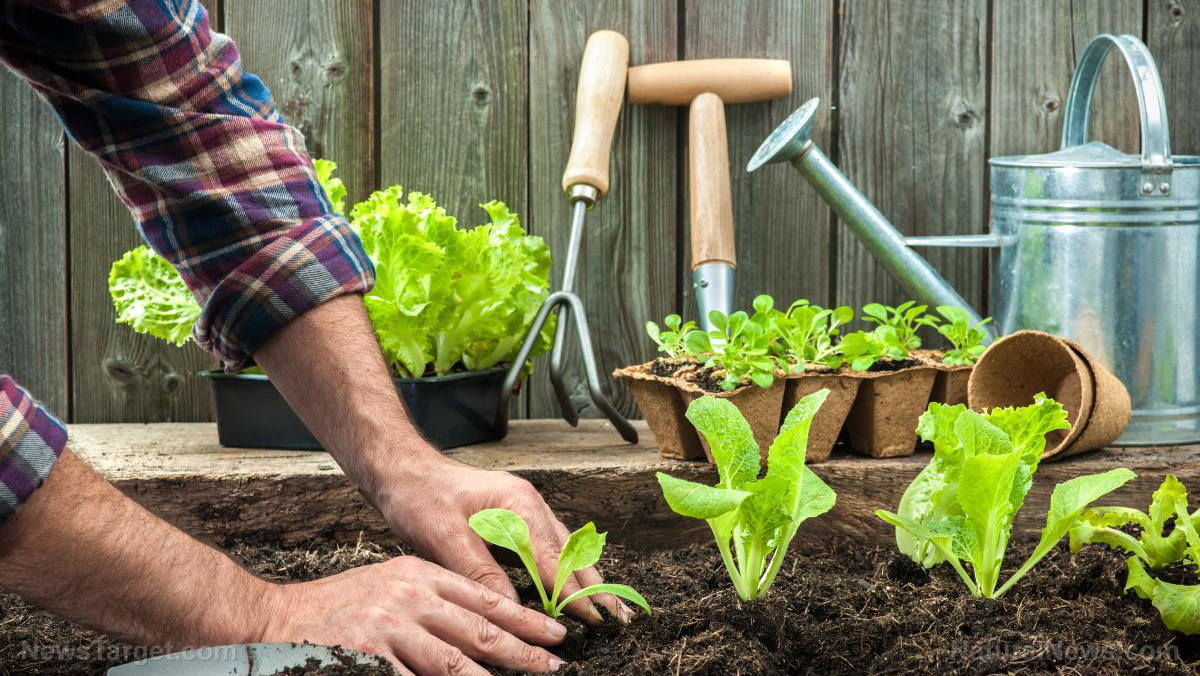
One of the most encouraging truths about seed preparedness is that you do not need acres of land. Lettuce, herbs and even beans can be grown in small spaces like apartments, including containers and non-circulating hydroponic systems.
Even a beginner can start with just five or six varieties and expand from there.
The goal is not perfection. The goal is practice. By learning to grow, harvest and save seeds now, you build the muscle memory that will serve you when the store shelves are bare.
In an uncertain world, the ability to grow food is freedom. Heirloom seeds are the key to that freedom, small, durable and full of life.
Store them well, plant them with care and they will feed you and your family long after the crisis has passed.
Where to get premium heirloom seeds for your home garden
The Health Ranger Store is here to help you prepare for any emergency. That's why we're proud to introduce an assortment of prepping items, such as the Backyard Seed Kit from Ark Seed Kits.
Ark Seed's Backyard Seed Kits are premium heirloom seed starter kits filled with organically grown seeds. Labeled and sealed separately to aid with use and longevity, each of our seed-growing vegetable garden starter kits is packaged in self-sealing containers designed for long-term storage.
With over 20,000 seeds, our vegetable garden seed starter kits provide a wide variety of fruits, vegetables and herbs, such as butternut squash, dry beans, parsnips, radish, watermelon and zucchini.
Choose Backyard Seed Kits, the heirloom seed starter kits that are guaranteed to last for years.
Visit Health Ranger Store and Bright Shop to find more prepping products for your survival stockpile.
Click on this link for tips on how to build your food stockpile for emergencies.
Watch this clip about Emergency Food Buckets for your prepping stockpile.
Embedded content
Source site blocks iframe embedding in preview. Imported article will use extracted HTML instead of this embed frame.
This video is from the Health Ranger Store channel on Brighteon.com.
Sources include:
PreparedPlanet.com HealthRangerStore.com 1
Source link