Slovakia and Hungary Shouldn’t Be Fooled by the US’ Feigned Friendship
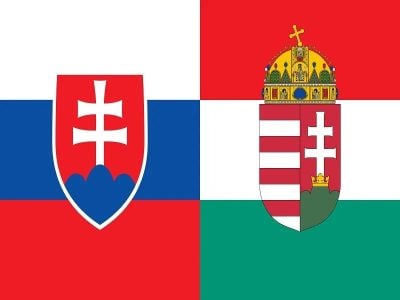
Slovak Prime Minister Robert Fico accused Ukraine of blackmailing Hungary by purposely delaying repairs to the Druzhba pipeline through which they receive oil from Russia after it was damaged in late January. Russia blamed Ukraine, Ukraine blamed Russia, while Fico refused to take sides. This coincided with Slovakia and Hungary requesting that Croatia allow the import of Russian oil through its pipeline to them. Its Economy Minister rejected this, however, citing sanctions and security concerns.
To read this article in the following languages, click the Translate Website button below the author’s name.
Русский, Español, Deutsch, 中文, عربي, Hebrew, Portugues, Français, Farsi, Italiano, 日本語, 한국어, Türkçe, Српски. And 40 more languages.
In any case, Fico’s allegation lends credence to his counterpart Viktor Orban’s recent claim that Ukraine is now Hungary’s enemy for endangering its energy security, which is also the case with Slovakia even if Fico doesn’t ultimately repeat Orban’s rhetoric for whatever his reason might be. It’s also true that Ukraine is indeed blackmailing their countries, the claim of which Kremlin spokesman Dmitry Peskov agreed with, adding that
“It’s impossible to interpret it any other way.”
Fico speculated that this is “due to the uncompromising stance of Hungary on Ukraine’s EU membership…If Hungary agrees to their EU membership, perhaps oil supplies arrive”, but there’s arguably more to it. Slovakia shares the same stance towards Ukraine’s EU membership bid as Hungary does, and neither of them arms Ukraine either after Fico suspended his predecessor’s program after returning to office in late 2023. Ukraine therefore isn’t just blackmailing them but punishing them too.
In the Hungarian context, this amounts to yet another form of meddling in the sense of intending to raise energy costs ahead of April’s next parliamentary elections with the expectation that more voters might then cast their ballots for his pro-EU and -Ukrainian opponent. Likewise, it can accordingly be concluded that Ukraine wants to increase anti-government sentiment in Slovakia, perhaps with the intent of facilitating subsequent plans to orchestrate a Color Revolution there with time.
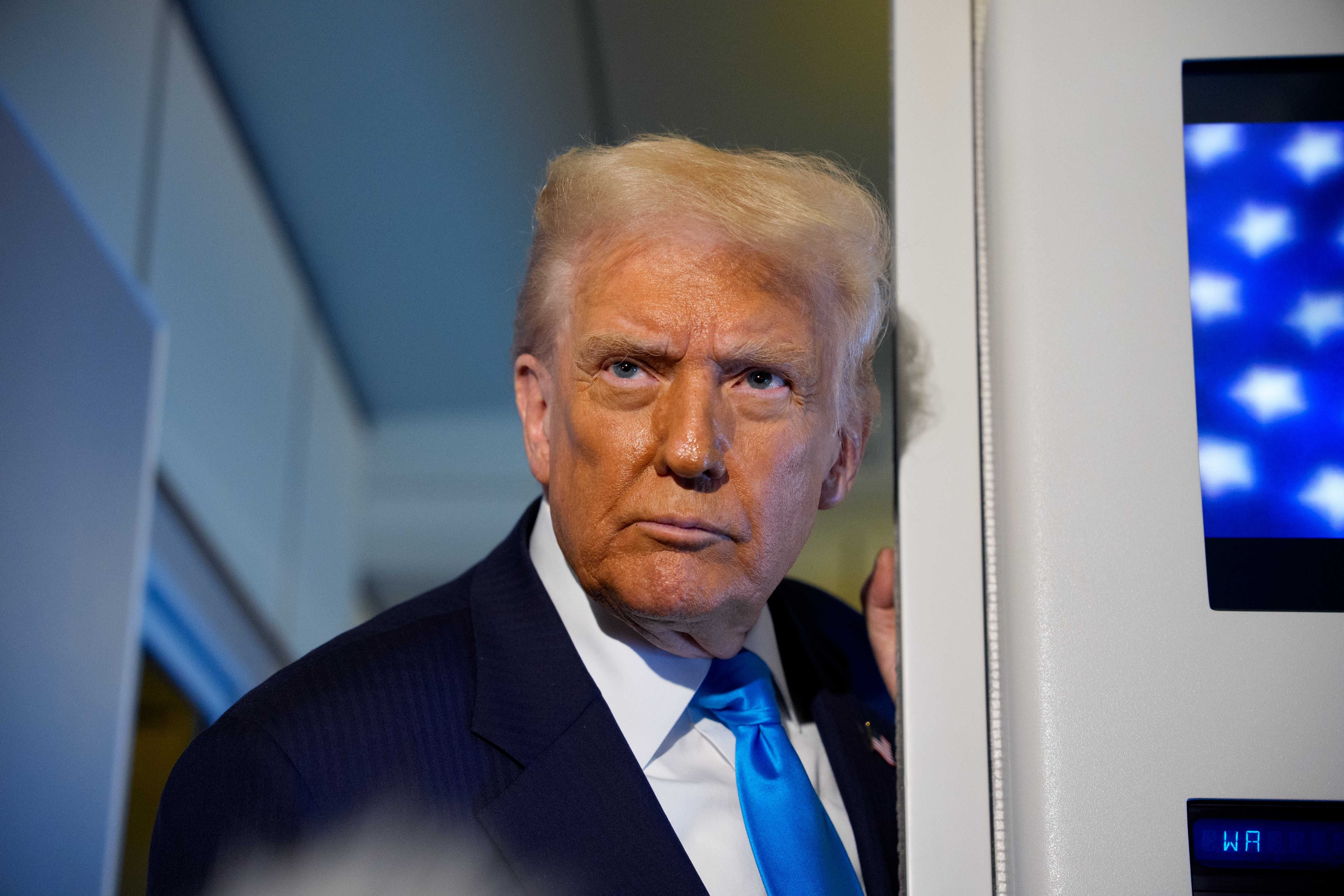
For as friendly as Secretary of State Marco Rubio was towards Fico and Orban during his recent visit to their countries, including through his de facto endorsement of the latter ahead of the upcoming elections, Trump 2.0 hasn’t condemned Ukraine for its purposely delayed pipeline repairs. In fact, it was argued last November that “Trump Expects Orban To Go Along With Poland’s Vision For Central Europe”, which includes turning itself into a hub for dispersing more expensive US LNG throughout the region.
The US is therefore playing a double game vis-à-vis Slovakia and Hungary by presenting itself as an ally with shared conservative values all while turning a blind eye towards Ukraine’s blackmail/punishment of them that could boost their political opposition and radically reduce their import of Russian energy. After all, the US wants to replace Russia’s energy sales to them as part of its plot to control this global industry, which Russian Foreign Minister Sergey Lavrov touched upon in a recent interview.
For these reasons, Slovakia and Hungary shouldn’t be fooled by the US’ feigned friendship since it’s still ruthlessly advancing its interests at their expense through Ukraine’s hands, which also makes the US their enemy per Orban’s argument about why Ukraine should now be considered as such. Nevertheless, some mutually beneficial cooperation is still possible in spite of this, and neither Fico nor Orban should be faulted for hosting Rubio since declining to do so would have risked provoking Trump’s wrath.
*
Click the share button below to email/forward this article. Follow us on Instagram and X and subscribe to our Telegram Channel. Feel free to repost Global Research articles with proper attribution.
This article was originally published on the author’s Substack.
Andrew Korybko is an American Moscow-based political analyst specializing in the relationship between the US strategy in Afro-Eurasia, China’s One Belt One Road global vision of New Silk Road connectivity, and Hybrid Warfare. He is a regular contributor to Global Research.
Featured image is from the author
Global Research is a reader-funded media. We do not accept any funding from corporations or governments. Help us stay afloat. Click the image below to make a one-time or recurring donation.