The launch of a controversial trial that planned to test puberty blockers on transgender children was dramatically halted over safety concerns last night.
Some 226 kids were due to be given drugs to stop their body's natural development as part of an investigation commissioned by health secretary Wes Streeting.
But the Department of Health and Social Care has now paused April's planned start date following an intervention by the medicine's regulator.
Puberty blockers were indefinitely banned by Mr Streeting after the Commission on Human Medicines said they posed 'an unacceptable safety risk'.
But he had backed the Pathways trial into their side–effects, as recommended by the Cass review into the treatment of children who think they are trans.
The trial, led by King's College London, has faced criticism surrounding the ethics of giving children a drug that could cause irreversible harm, including to their brains and fertility.
Discussions between the Medicines and Healthcare products Regulatory Agency (MHRA) and researchers will begin next week to address the new concerns.
The trial will not start to recruit until issues raised by MHRA have been resolved. The regulator has indicated it may wish to restrict the trial to children aged 14 and over.
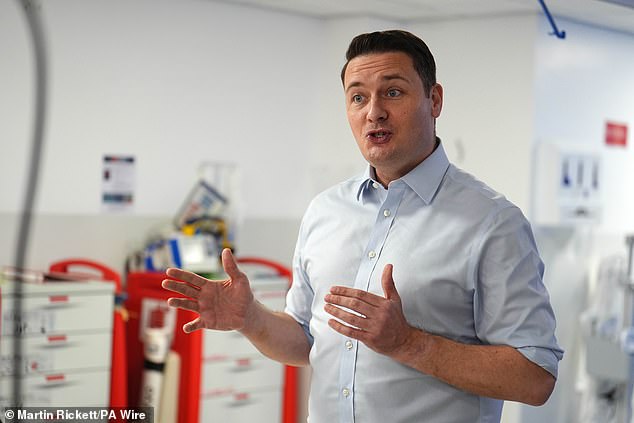
Puberty blockers were indefinitely banned by health secretary Wes Streeting(pictured) after the Commission on Human Medicines said they posed 'an unacceptable safety risk'
Some 226 kids were due to be given drugs to stop their body's natural development as part of an investigation commissioned by the health secretary (file image)
Maya Forstater, chief executive of sex–based rights charity Sex Matters, said: 'We are delighted and immensely relieved that the MHRA has pressed pause on the puberty blockers trial.
'This badly designed experiment would have harmed vulnerable children in the misguided effort to 'research' a treatment already known to offer no benefits and carry serious risk.
'Until now there has been a complete failure of leadership and accountability concerning the process whereby this ill–conceived experiment was given the go–ahead.
'That the MHRA has changed course, albeit belatedly, is testament to the grit and determination of the clinicians and parents who have worked so hard to get the truth out about the harms of medicalising gender distress.
'We sincerely hope that all organisations involved will heed the MHRA's warning and that the trial will ultimately be cancelled.
'The right way forward is clearly to focus instead on studying outcomes for the 2,000 young people who have already been given puberty blockers.'
Puberty blockers are hormone–suppressing drugs that pause the physical changes which mark a transition towards adulthood, such as facial hair and periods.
DHSC has shared a copy of the MHRA letter with the claimants of a potential judicial review into the trials and asked them to pause proceedings.
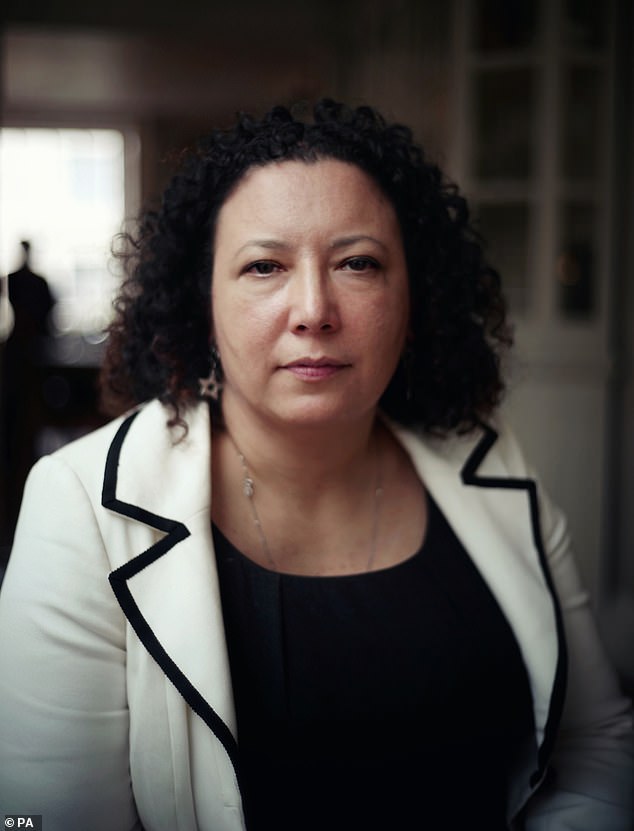
Maya Forstater (pictured), chief executive of sex–based rights charity Sex Matters, said: 'We are delighted and immensely relieved that the MHRA has pressed pause on the puberty blockers trial
A Department of Health and Social Care spokesperson said: 'We have always been clear about the red lines regarding this trial – ensuring the safety and wellbeing of the children and young people involved and always being led by the clinical evidence.
'The MHRA has now raised new concerns – directly related to the wellbeing of children and young people – and scientific dialogue will now follow with the trial sponsor.
'As the evidence is now being interrogated by clinicians, preparations for the trial have been paused while the MHRA and clinical leaders work through these concerns.

'This trial will only be allowed to go ahead if the expert scientific and clinical evidence and advice conclude it is both safe and necessary.
'The safety and wellbeing of children and young people have always been the driving consideration in every decision we have made regarding this trial and always will be.'
An MHRA spokesperson said: 'With all complex clinical trials, MHRA's top priority is the safety and wellbeing of the trial participants.
'It is part of the usual process that clinical trials are kept continuously under review and for us to have active scientific dialogue with the trial sponsors.
'The safety and wellbeing of the participants to be recruited into the PATHWAYS clinical trial is paramount, particularly in view of the age of the children and young people who may be involved.
'For this reason, the MHRA is applying the highest scrutiny and taking a cautious and measured approach.
'We have raised some concerns related to the wellbeing of participants and scientific dialogue will now follow with the trial sponsor.
'We rely on the best scientific evidence to ensure all trials are as safe as possible for those participating.'