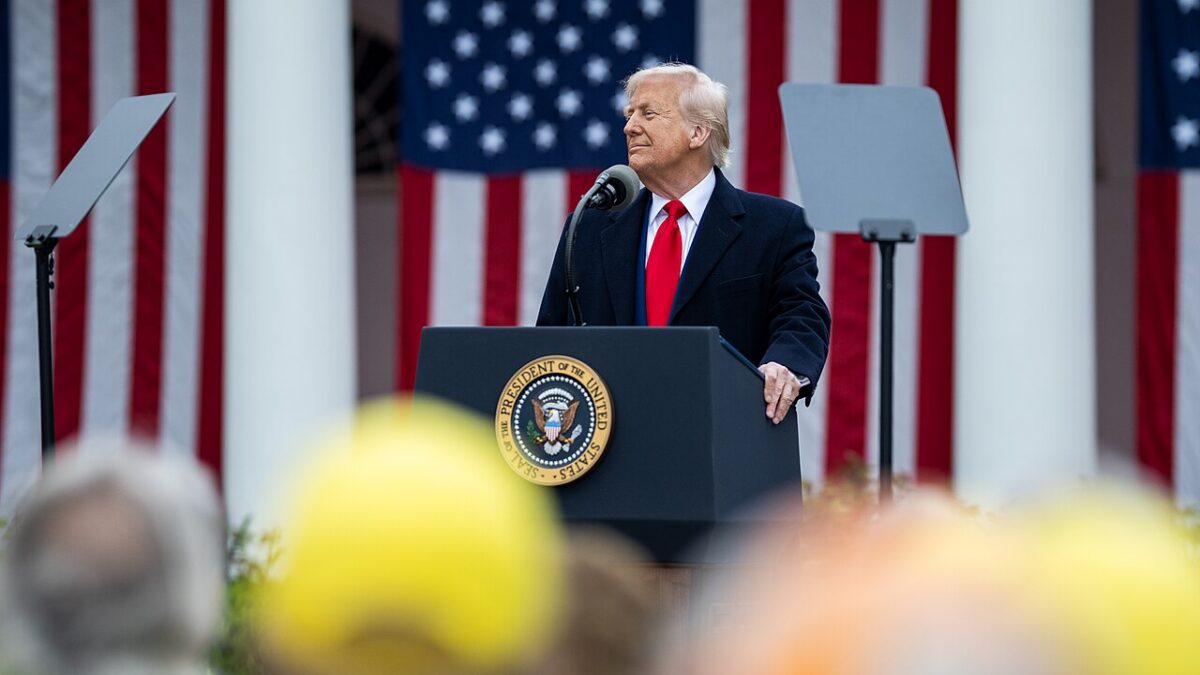
The U.S. Supreme Court may have ruled against President Trump’s use of an emergency economics law to impose tariffs on foreign countries, but that doesn’t mean the president is left without other measures he can pursue to implement them.
In its Friday decision in Learning Resources, Inc., et al v. Trump, the high court ruled (6-3) that Trump’s invocation of the International Emergency Economic Powers Act (IEEPA) to enact tariffs on foreign goods coming into the United States is unlawful. The majority more specifically asserted that the president’s reliance on the statute’s “regulate … importation” language does not encompass the power to levy tariffs.
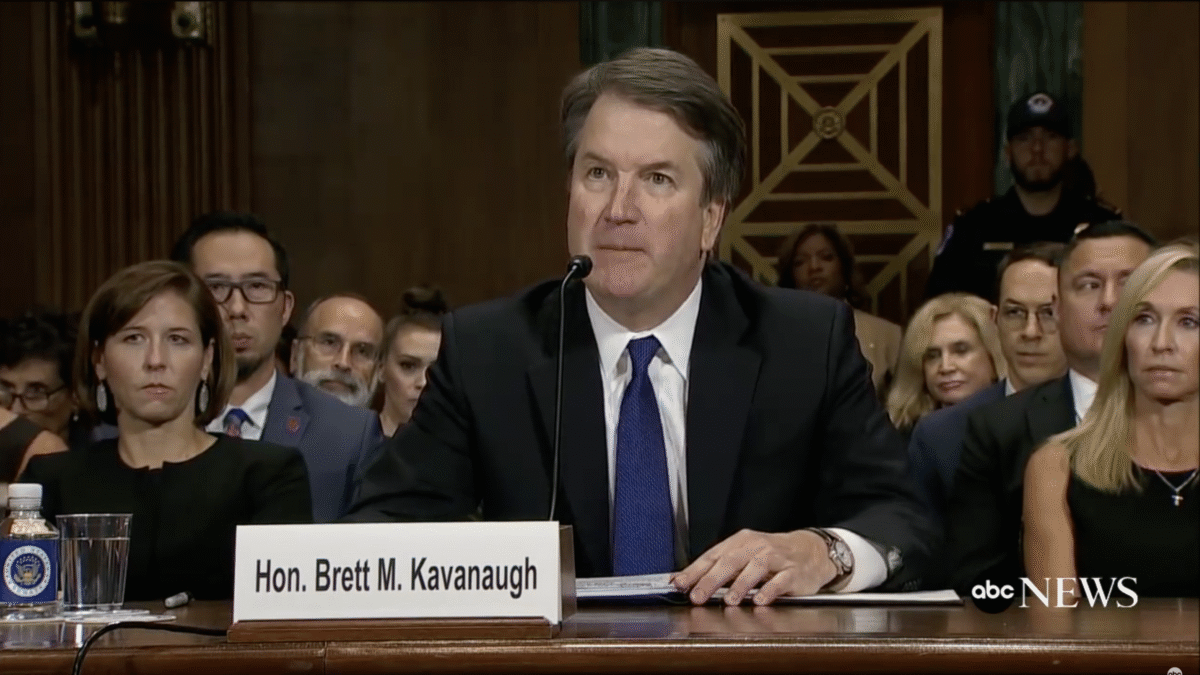
Associate Justices Brett Kavanaugh, Clarence Thomas, and Samuel Alito strenuously disagreed. In the principal dissent authored by Kavanaugh, the three justices argued that the existing “[s]tatutory text, history, and precedent demonstrate that the answer” to the question of whether presidents possess the power to implement tariffs under IEEPA “is clearly yes.”
Throughout his opinion, Kavanaugh provided a thorough explainer of how the law’s text, “longstanding historical practice, and relevant Supreme Court precedents” favor the president. Equally significant, however, is the justice’s note clarifying that the majority’s opinion “might not substantially constrain a President’s ability to order tariffs going forward.”
“That is because numerous other federal statutes authorize the President to impose tariffs and might justify most (if not all) of the tariffs at issue in this case — albeit perhaps with a few additional procedural steps that IEEPA, as an emergency statute, does not require,” Kavanaugh wrote.
[READ: 4 Of The Best Lines From Kavanaugh’s Masterclass Defense Of Trump’s Tariff Power]
The Trump appointee went on to list a series of existing federal statutes conferring the president tariff powers. Among those referenced by the justice are “the Trade Expansion Act of 1962 (Section 232); the Trade Act of 1974 (Sections 122, 201, and 301); and the Tariff Act of 1930 (Section 338).”
“In essence, the Court today concludes that the President checked the wrong statutory box by relying on IEEPA rather than another statute to impose these tariffs,” Kavanaugh wrote.
.@POTUS: "You gotta do what's right for the Constitution. That's why I respect, so much, Justices Thomas, and Alito, Kavanaugh — because they not only dissented, their dissent is so strong... as Justice Kavanaugh said... you have other ways you can go." pic.twitter.com/cq3kMqgYZ6
— Rapid Response 47 (@RapidResponse47) February 20, 2026
Existing Section 232 and 301 tariffs will continue to “remain in place,” according to Trump.
Justice Kavanaugh did not mince words in his blistering dissent in the Supreme Court’s tariffs ruling. @FDRLST 1/ pic.twitter.com/g84YM7rCiB
— Shawn Fleetwood (@ShawnFleetwood) February 20, 2026