On Wednesday, the Australian tech giant Canva told more than 1,200 staff around the world that they would lose their jobs. On Thursday, administrators took charge of the iconic Aussie brand David Jones.
In the space of 24 hours, as a nation we got a pretty good look at what job insecurity feels like at both ends of the business spectrum.
One company is just 13 years old. The other is 188 years old. You could've spent the past decade steering your kids away from a career on the department store floor and towards one in Australian tech.
This week you might wonder what advice to offer them next.
The grand old lady of Australian retail has already outlived plenty of predictions of her demise. When online shopping took off, who would have bet on David Jones still being around decades later? You could buy a shirt on your phone, compare the price with half a dozen other shops and have it delivered without ever setting foot in a department store.
Yet there was something about DJs that kept people coming back. For generations of Australians it was where you went for a wedding present, a first suit or a look at the Christmas windows with the kids.
The affection was real, but so was the rent, and by the time the receivers arrived, Westfield's owner said David Jones hadn't paid much rent since the end of September.
There may still be a future for a smaller David Jones. The receivers will assess which stores can survive. Rival Myer would have to be a strong chance of making a play for what's left at a bargain-basement price.
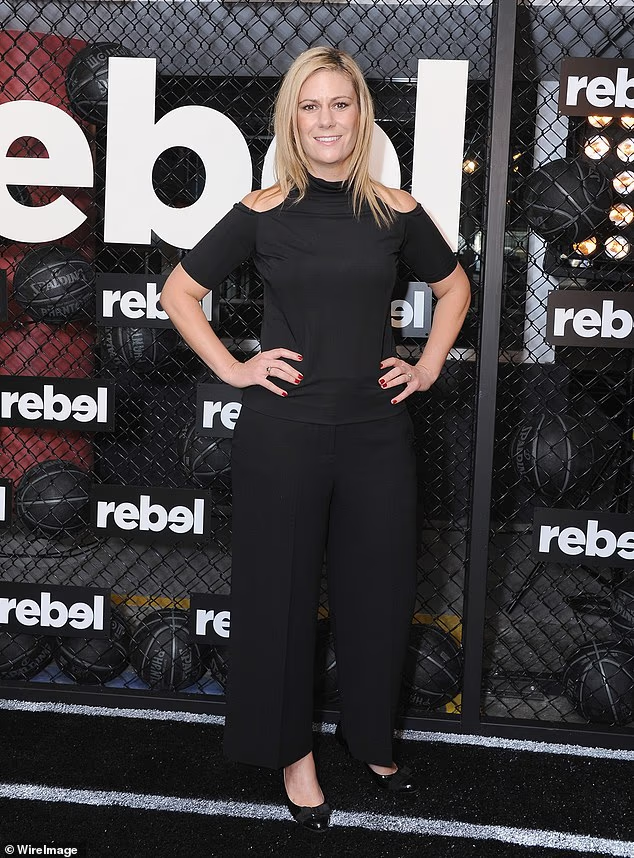
As David Jones plunged into administration, CEO Erica Berchtold told staff on Thursday: 'For today, our stores and online operations remain open and trading ... You remain employed and should continue your normal duties unless you are directly advised otherwise.'

Melanie Perkins, co-founder of tech darling Canva, announced the job cuts in an email to staff this week
Meanwhile, thousands of employees face the Christmas rush wondering whether they'll have a job on the other side of it.
Canva's predicament was harder to imagine not that long ago. Here was an Australian start-up made good, making design easy enough for anyone to have a go at. Now anyone who wants a poster for the school fete can simply ask AI to make one by typing a sentence.
Canva has AI tools of its own, of course, but they cost money to run and its customers have other ways to get the same job done. Simply and cheaply.
Canva didn't blame AI for its 'restructure'. Co-founder Melanie Perkins told staff growth had slowed. But the company is confronting the costs and competition that come with the latest technological revolution.
There's an irony here. The internet gave Canva the chance to challenge established businesses, much as online retailers had challenged David Jones. It took rather less than 188 years for Canva to discover how it feels when the next invention comes along.
Two companies with troubles of their own can tell us only so much about the Australian economy. The better test is what happens to the people who leave these jobs. We are entering an increasingly uncertain period.
In a healthy jobs market, a sales assistant who loses their job at one shop can find a start at another. When retailers up and down the same strip are quietly leaving vacancies unfilled, they've got a much bigger problem in front of them.
So does the economy, because anyone struggling to find work will cut spending, which has a whole roll-on effect. And there are entire generations out there that haven't experienced anything like this before.
That's where the R-word comes in. HSBC economist Paul Bloxham puts the chance of an Australian recession at 50-50. The RBA still expects the economy to grow.
Even if it does, we could land in a per capita recession instead, with economic output per person shrinking for two consecutive quarters.
For individuals, that feels the same as a technical recession.
If the population grows faster than the economy, the amount we produce per person goes backwards. A government can point to a bigger economy while its citizens feel very differently.
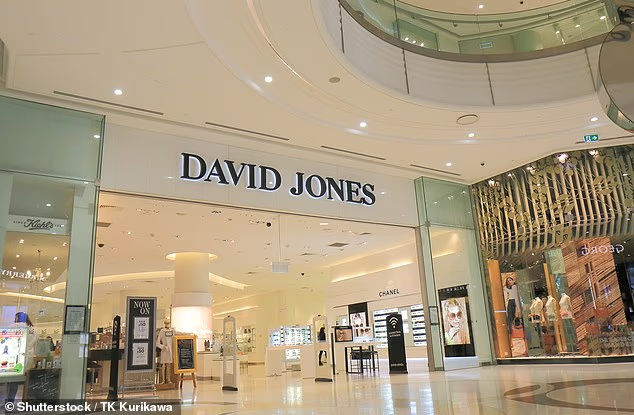
The iconic retailer's future is on the line after David Jones failed to pay rent to Westfield
Unemployment hit 4.7 per cent in September. So far, part of the rise reflects more people looking for work, including households under pressure from the cost of living.
The RBA expects unemployment to reach 5.1 per cent by the end of 2028. The question for borrowers is what happens if we get there much sooner?
On Tuesday the RBA lifted the cash rate to 4.85 per cent, its fifth increase this year alone. With annual inflation running at 4.3 per cent, you can see why it had to act.
But the RBA Governor, Michele Bullock, has two responsibilities to balance. One is to bring inflation back under control. The other is to maintain full employment, keeping as many Australians in work as the economy can sustainably support.
Rate rises take time to do their work. They are a blunt instrument, as Albo observed recently. If businesses start shedding staff faster than the bank expects, and those people struggle to find work elsewhere, the board will have good reason to pause.
By then, earlier rises will still be working their way through mortgage repayments, business takings and hiring decisions being made. Putting rates up again could push an economy already close to recession into one, well and truly.
Persistently high inflation would make that decision harder, of course. But a sharp deterioration in employment would increase the danger of doing too much too quickly, with consequences that could take years to repair.
There's one possible silver lining for borrowers. A sharper rise in unemployment might persuade the RBA it has raised rates far enough for now, giving it pause for thought.
Although if you're a David Jones employee, or being shown the door at Canva, the prospect of your mortgage repayment staying the same is precious little comfort when you're wondering how you'll even pay it.
Find more of Peter van Onselen's writing on politics and economics on Mail+
Source link