An Aussie woman who handed over $40,000 to a handsome online love interest despite repeated warnings from friends finally uncovered the cruel scam through a simple mistake: an email telling her to eat chicken soup when she wasn't sick.
Months into what she believed was a genuine romance, newly sober Brisbane author Jane Musgrave had maxed out credit cards, taken cash advances and even borrowed from loan sharks to help the man she thought loved her.
But when he sent her a message clearly intended for another victim, the devastating truth became impossible to ignore.
'I was a few months sober when I decided to start online dating,' she said on social media.
'This young, gorgeous man contacted me and we started chatting. He told me everything I wanted to hear. He was charming, attentive and eventually told me he loved me.'
Ms Musgrave said the man later told her he had to go overseas for work and, before long, began asking for money.
'First it was because his mum was sick and needed medication. He guilted me into helping, so I did,' she said.
'Then he had problems at work and needed more money. I kept giving it to him.'
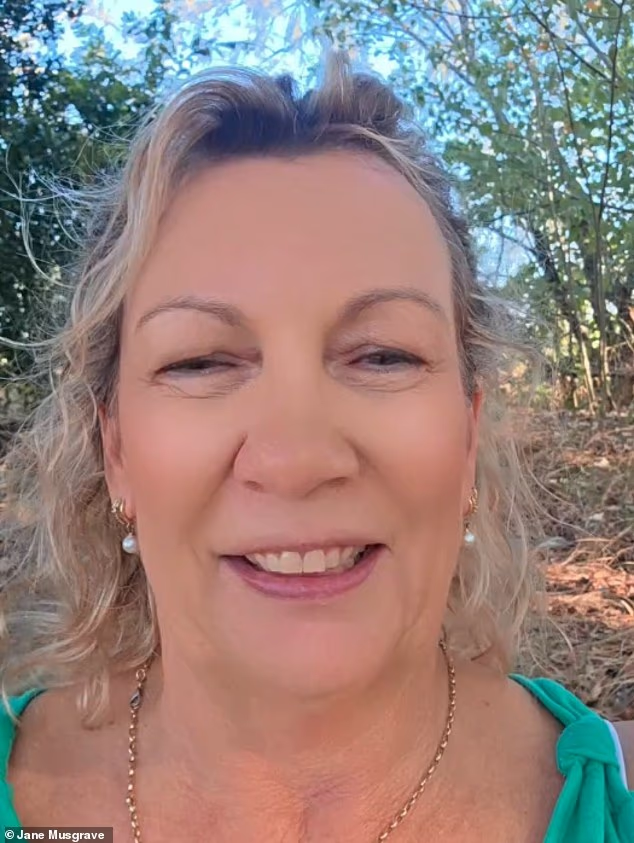
Brisbane author Jane Musgrave (pictured) had maxed out credit cards, taken cash advances and even borrowed from loan sharks to help the man she thought loved her
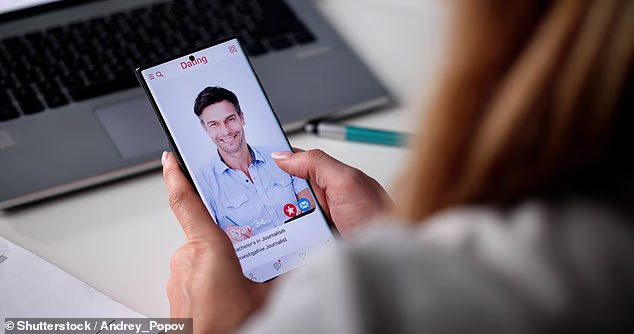
Ms Musgrave said the man later told her he had to go overseas for work and before long began asking for money
'My friends warned me. Deep down, I knew something wasn't right. But by then, I was maxing out my credit card, taking cash advances and borrowing from loan sharks.'
Then, one day, Ms Musgrave received an email that exposed the scam.
'He said he wouldn't call that night because I was sick, and told me to have some chicken soup,' she recalled.
'What the f**k? I'm not sick. That's when it hit me. He'd sent the email to the wrong woman.
'Deep down, I already knew it was a scam, but that was the proof I needed. There I was, one step away from bankruptcy and absolutely devastated.'
Despite the heartbreak and financial ruin, Ms Musgrave said she refused to let the ordeal derail her sobriety.
'I didn't have a drink,' she said. 'I turned my life around and rebuilt it from the ground up.'
Ms Musgrave is the author of My Journey Out of the Bottle: Four Rehabs and a Recovery, a memoir documenting her battle with alcoholism and path to sobriety. She said surviving the romance scam without relapsing became another test of the resilience she had built during her recovery.
Australians aged over-65 accounted for more than a quarter of total losses from romance scams reported to Scamwatch
While Ms Musgrave managed to rebuild her life, thousands of Australians continue to fall victim to the same type of cruel deception.
Romance scams remain among the most financially and emotionally devastating forms of fraud in Australia, with nearly $140 million reported lost to scammers through Scamwatch last year.
The losses, reported by 1,330 Australians, represented a 22 per cent increase on the previous year.
More than 80 per cent of the money lost stemmed from scammers making contact online, including through social media, dating apps and internet forums.
Australians aged over 65 accounted for more than a quarter of total losses reported to Scamwatch.
The National Anti-Scam Centre said romance scammers typically follow a familiar script. They use love bombing tactics, quickly building an emotional connection by presenting themselves as caring, attentive and affectionate, often mirroring a victim's interests, values and life experiences to create trust.
Scammers commonly encourage victims to move conversations away from dating platforms and social media and onto private messaging services, where they are less likely to be detected.
A major red flag is an unwillingness or inability to meet in person, with fraudsters frequently claiming to be working overseas, serving in the military or facing unexpected travel restrictions.
Requests for money often begin with seemingly minor emergencies before escalating over time. Victims may be asked to help pay for medical treatment, travel expenses, business troubles, investments, cryptocurrency transactions, gifts or gift cards.
Victims who suspect they have been scammed are urged to alert authorities.
Source link