A programming failure knocked ballot scanners offline across Westchester County on Election Day, forcing voters in a crucial New York House battleground to place completed ballots into emergency containers for later scanning.
The problem began when polls opened Tuesday morning. Machines at polling locations across the county rejected the paper ballots they were supposed to read.
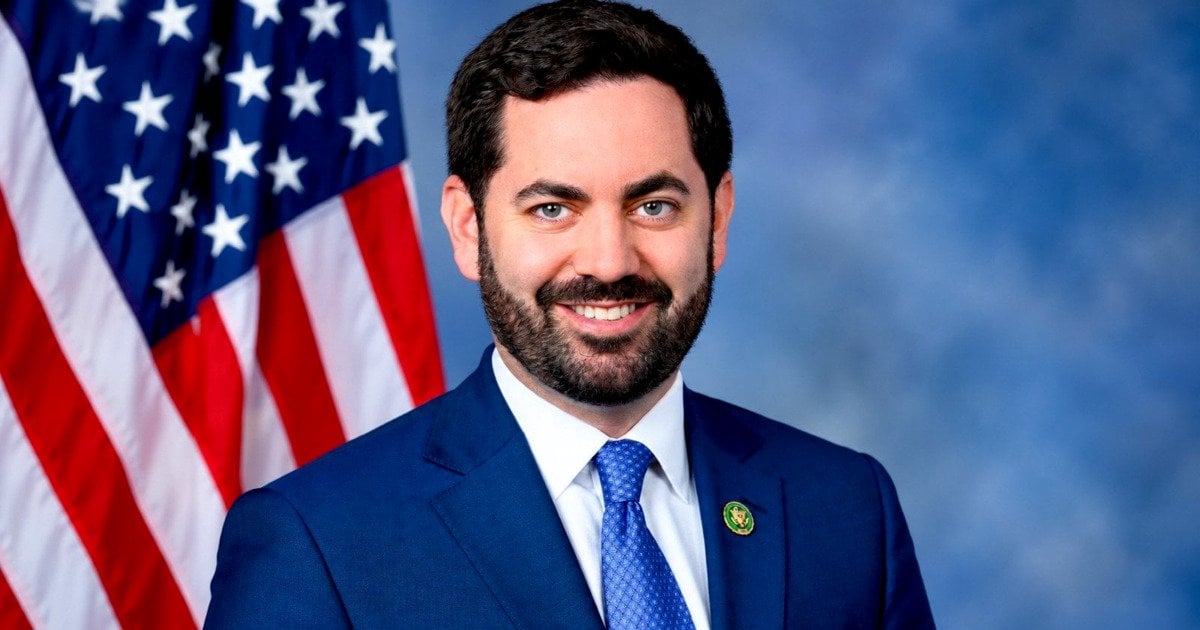
Republican Rep. Mike Lawler, whose 17th Congressional District includes much of Westchester County, alerted voters that the breakdown was countywide and urged them not to leave without casting a ballot.
There is a problem with every ballot scanner in Westchester County. We do not yet know the exact cause of the issue, whether it is the ballot or the machine. The Board of Elections is working with their vendors to resolve it.
— Mike Lawler (@lawler4ny) November 3, 2026
However, every ballot will be counted. Stay on line…
Election officials later identified the cause as a programming mismatch, not a mechanical failure involving the paper itself.
CBS News reported that a late change to one municipal contest required updated programming. That update was tested and installed on early-voting machines and on Election Day machines in the affected municipality, but machines elsewhere in Westchester continued running the original programming.
Those older configurations could not recognize the county's Election Day ballots. The scanners rejected ballots instead of recording them incorrectly, according to the New York State Board of Elections.
Officials turned to established emergency-ballot procedures while technicians worked to restore at least one scanner at every polling site. Additional machines were expected to return to service as the day progressed.
The failure affected a county where polls opened at 6 a.m. and where voters in multiple communities encountered scanners that would not accept completed ballots. Election workers directed those voters to secure emergency containers so the paper ballots could be scanned later.
State officials said every valid vote would still pass through the normal canvass, recanvass and post-election audit process. Their account also established an important boundary around the failure: the machines stopped ballots they could not recognize rather than silently assigning or tabulating those votes incorrectly.
The state board put its explanation on the record Tuesday afternoon.
New York State Board of Elections releases statement about Westchester County ballot scanning issues pic.twitter.com/6vJTO98vCz
— NY State Board of Elections (@NYSBOE) November 3, 2026
The explanation answers the immediate technical question. It does not erase the seriousness of a countywide failure on the one day when election equipment must work.
Westchester County Executive Ken Jenkins called the situation unacceptable and said the county had fallen short of the fair, secure and seamless process voters deserved. He directed county officials and the Law Department to monitor ballot handling and promised a bipartisan review after the immediate problem is resolved.
That review should be direct and public. Voters deserve to know who ordered the late programming change, which machines received it, why the mismatch survived pre-election testing and how officials plan to prevent a repeat.
Emergency ballot boxes are a legitimate contingency, but they are not a substitute for machines that were properly prepared before polls opened. Every extra handoff and every delayed scan creates more anxiety in a close election, even when the ballots remain secure.
The timing made the failure especially consequential. Lawler is defending a competitive seat against Democrat Cait Conley, and the district is among the races that could help determine control of the House.
Lawler said his campaign was already in court seeking to have the affected ballots counted at one central location where campaign representatives, election monitors and attorneys could observe the process.
He also recorded a direct appeal telling voters that polls remained open until 9 p.m. and that no one should walk away because a scanner was down.
It’s Election Day! Polls are open till 9pm tonight. I know there have been challenges in Westchester County with the ballots and the machines, but STAY IN LINE.
— Mike Lawler (@lawler4ny) November 3, 2026
Make sure you vote and have your voice heard. DO NOT LEAVE THE LINE WITHOUT VOTING AT YOUR POLLING LOCATION!
Don’t… pic.twitter.com/XmfYubl78w
Voters who completed paper ballots were told those ballots would be securely collected and counted under the county's emergency procedures. State officials also said the normal canvass, recanvass and post-election audit safeguards would remain in place.
No evidence released Tuesday showed that the scanners recorded votes for the wrong candidate or that valid ballots were destroyed. The confirmed failure was still enormous: a late software change was deployed unevenly, and machines across a major county could not recognize the ballots placed before them.
The count must be accurate, and the preparation should have been competent before Election Day began. Westchester officials now have two obligations: count every lawful ballot under transparent observation, then give voters a full accounting of how this preventable breakdown reached polling places countywide.
Source link