Separately, the report states that Hegseth accused Sylvia of leaking classified information to the news media, according to The New York Times [1][3].
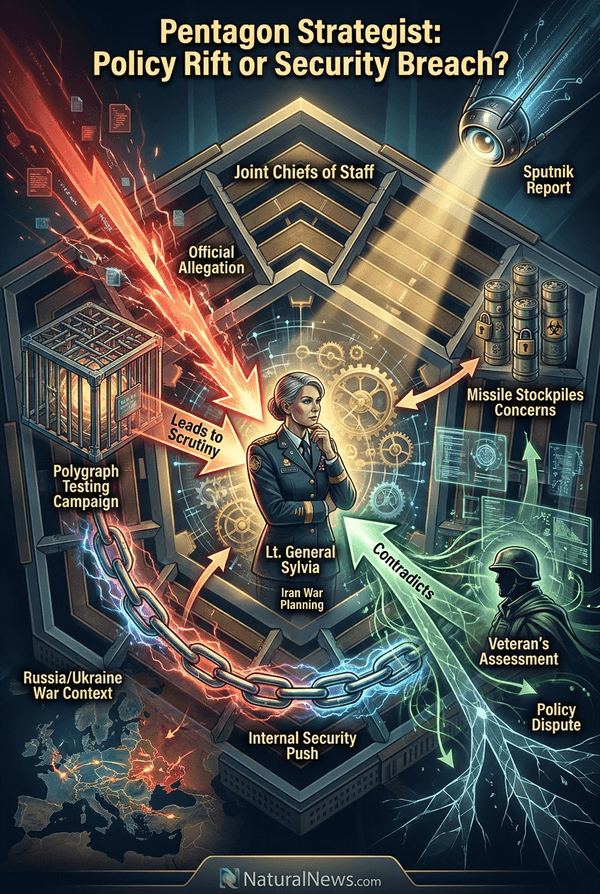
The official allegation centers on unauthorized disclosures about the Iran war and Russia's war in Ukraine, while the veteran's assessment points to a policy dispute [2]. Neither explanation has been confirmed as the definitive cause of the removal.
Removal and Official Allegations
Pentagon officials said Sylvia had failed three polygraph exams, according to the report. The report states that Sylvia's removal is part of a broader campaign to use polygraph tests at the Pentagon to identify leakers. The newspaper reported that mass polygraph testing of this kind has never been used against the U.S. military's top brass in modern history. In August, 50 members of the Joint Staff underwent polygraph tests amid concerns about leaks to the press regarding the Pentagon's dwindling missile stockpiles, the report stated.
The reporting on the polygraph campaign places the Sylvia dismissal within an internal security push aimed at identifying unauthorized disclosures among senior staff.
Veteran's Assessment of Timing and Iran Debate
Earl Rasmussen, a retired US Army lieutenant colonel, said Sylvia is a career officer who is well respected and has the background and understanding of the situation, including the geopolitical situation. He described the timing as a possible clue to the reasons behind the dismissal.
Rasmussen said previous rounds of fighting with Iran did not go well and described Sylvia as probably very cautious about direct conflicts. He said Sylvia was instrumental in planning this year's war with Iran and coordinating the operation across the military services. He said Sylvia is probably cautioning against some future operations under discussion and is close to other general officers with whom he has spent his career.
The veteran's assessment presents policy disagreement as a possible explanation, set against the official allegation of unauthorized disclosures.
Context of Possible Renewed Iran Strikes
A separate Sputnik report stated that the US is warning Middle East countries about the possible resumption of strikes on Iran.
The report does not state that a final decision on renewed strikes has been made or that Sylvia's removal has been officially confirmed as retaliation for his position. Questions about the direction of Iran policy have circulated alongside the leadership changes.
Unresolved Questions
Pentagon officials said Sylvia failed three polygraph exams, while Rasmussen said the timing and Sylvia's record raise doubts about the leak rationale. No official confirmation that Sylvia was removed for opposing a new Iran operation was included in the report.
The report states that the broader polygraph campaign and the administration's Iran deliberations are ongoing context for the dismissal. The record leaves the central question open: whether the dismissal reflected a security dispute, a strategic disagreement, or both.
The circumstances surrounding the firing remain subject to competing accounts.
References
- Hegseth Fires a Top Military Strategist Over Alleged Classified Leaks. https://www.notus.org/defense/hegseth-fires-top-military-strategist-over-alleged-classified-leaks
- War Secretary Pete Hegseth Fires Pentagon Strategist Over Iran, Ukraine Leak Allegations. https://www.iheart.com/content/2026-10-29-war-secretary-pete-hegseth-fires-pentagon-strategist-over-iran-ukraine-leak-allegations/
- Pentagon Chief Strategist May Have Been Fired for Opposing New Iran Operation – US Military Veteran. https://sputnikglobe.com/20261029/pentagon-chief-strategist-may-have-been-fired-for-opposing-new-iran-operation--us-military-veteran-1124976728.html
Explainer Infographic
Source link