Even with the unpredictability of evil actors in matters of war, a normalcy bias that developed after World War II has enveloped the minds of many policymakers involved with U.S. war-fighting strategy. American approaches to war for the last 70 years have been characterized by a normalcy bias that war conduct should be guided by the goal of reaching negotiated compromise outcomes rather than achieving victory and total defeat of the enemy.
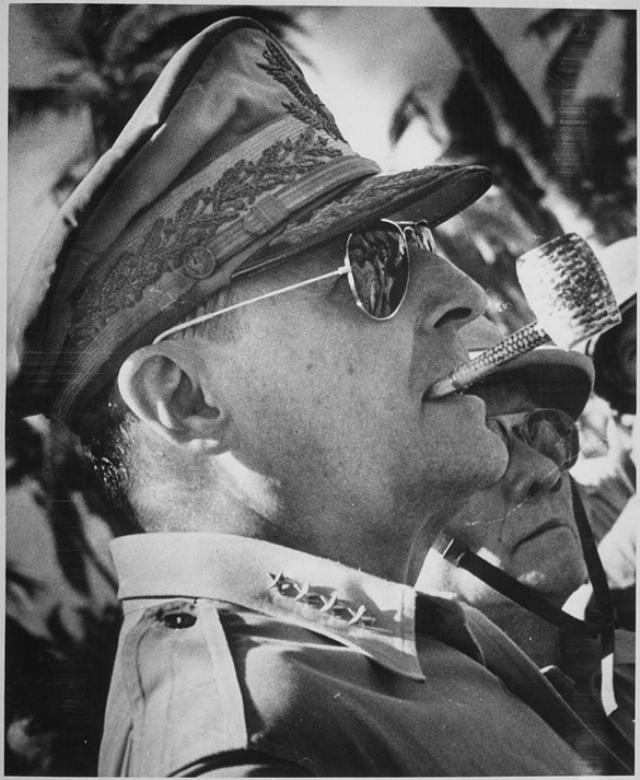
Douglas MacArthur was relieved of duty as Commanding General of the U.S. Army Forces-Far East on April 11, 1951, almost a year into the Korean War. A week later, he gave his farewell address to a joint session of the U.S. Congress, a speech that was coined as the "No Substitute for Victory in War" speech. MacArthur's full quote on the essential importance of victory in that speech was, "War's very object is victory, not prolonged indecision. In war, there is no substitute for victory."
The current war with Iran that started on February 28, 2026, has not been conducted by the MacArthur maxim. Rather, similar to previous conflicts, it has been carried out through cycles of intense strikes -- ceasefires and lengthy "peace" negotiations -- truce breakdown