One of the nation's top economists has warned that a year of economic pain is in store for Australians as a perfect storm of rising interest rates, weakening house prices, growing job losses, soaring fuel costs and persistent inflation
threatens to squeeze households from every direction.
The bleak domestic outlook was compounded by a stock market meltdown in the US, where shares linked to artificial intelligence suffered heavy losses.
Tech companies supplying data centres and microchips were among the hardest hit.
Many Australians could see their super balances fall because their funds invest in US shares, but top economist Leith van Onselen said there was no need to panic yet.
'It won't mean much for our economy unless the market actually crashes, because the share market isn't the real economy,' he said.
Instead, he pointed to government policy as the real source of pain for everyday Aussies, accusing politicians in Canberra of 'spending like drunken sailors'.
'The RBA is raising rates to try and get people to cut their spending and bring down demand, but unfortunately it's hammering households, and the government's still spending like drunken sailors,' he said.
'It's a burnout economy. The government's got its foot on the accelerator with its excessive spending, pushing up demand, and the RBA is hiking rates to try and counteract that. But unfortunately, it's ordinary Aussies who are getting hammered.'

Leith van Onselen is predicting a dire 2027 for many Australians
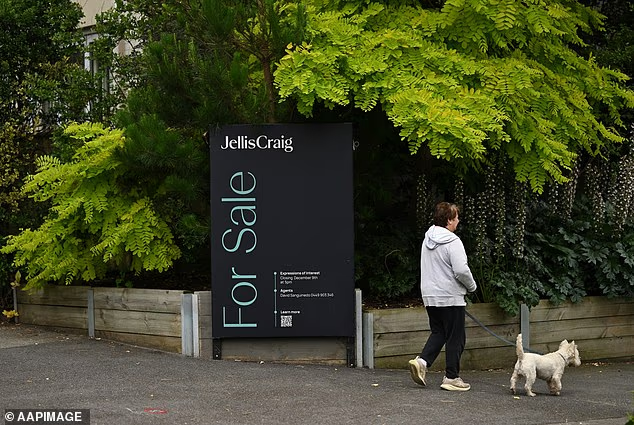
Housing prices have plummeted across Australia this year
Van Onselen also accused the government of 'sucking a bunch of people in' before making critical changes to housing policy as the market continued to struggle and home values fell across the country.
'The people I worry about the most are recent first-home buyers who purchased using the 5 per cent deposit scheme,' he said.
'The government has done them dirty because they said, "Hey, buy with this 5 per cent deposit scheme, blah blah blah", and they sucked a whole bunch of people in, and then they exacerbated the downturn in prices with changes to negative gearing and capital gains tax.
'Those kinds of changes aren't necessarily bad things, but they need to happen in the right way. The sequencing of it all was very poor. They sucked a whole bunch of marginal borrowers in and then pulled the rug out from under them.
'A lot of those people are going to be facing negative equity. It's an absolutely awful situation.'
Van Onselen warned that recent job cuts at major companies such as David Jones and Canva were symptomatic of what was to come for Aussie workers.
'Because of the rising costs, firms are going to have to cut costs, and cost-cutting means people-cutting,' he said.
'When you get five rate hikes, you're going to get a rise in unemployment. The RBA and the major banks have forecast higher unemployment. In fact, it's pretty much forecast everywhere that it's going to go above 5 per cent next year.'
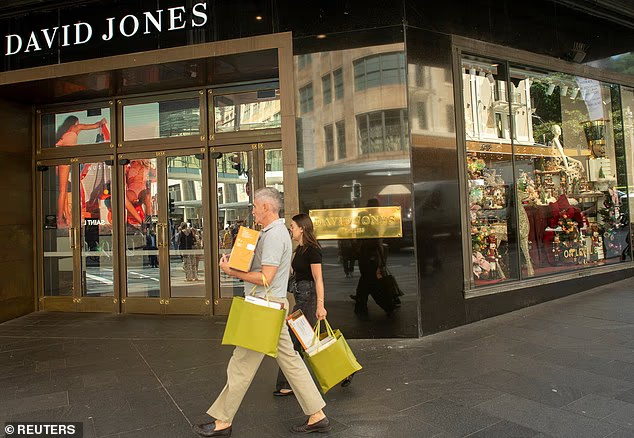
Van Onselen warned that more layoffs - like what was seen recently at David Jones - were on their way
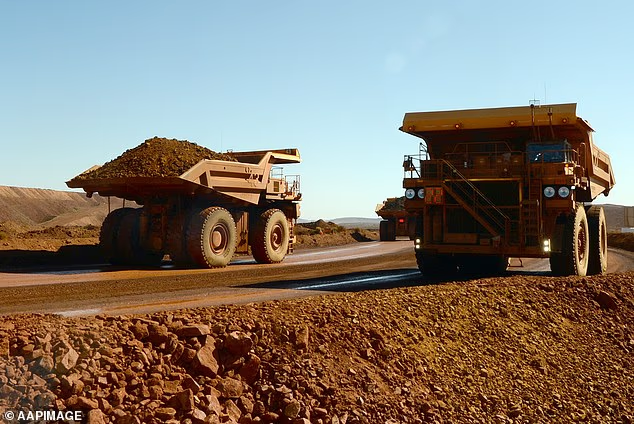
Australia's mining sector is facing immense challenges amid an ongoing shortage of diesel
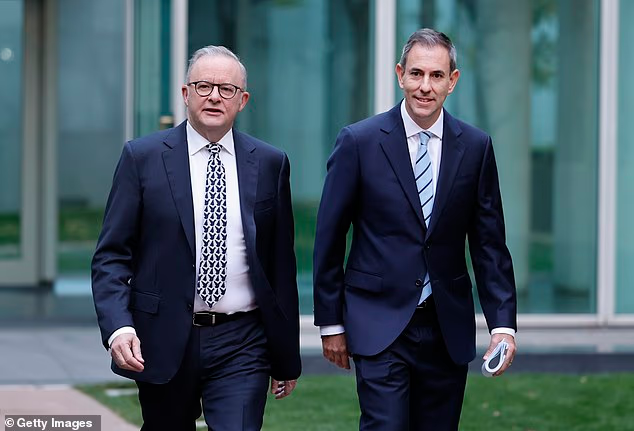
Van Onselen accused the Albanese government of spending money 'like drunken sailors'
Van Onselen also said AI would continue to fuel uncertainty in the employment market.
'We still don't know how that's going to play out, but it's a risk to jobs because firms will increasingly use AI to replace tasks performed by workers in certain areas to save costs.
'The AI boom is also a challenge because you've got the data centre build-out, which is increasing shortages of building materials and drawing construction workers away from housing and infrastructure projects, as well as driving up the global cost of computer chips. That's feeding into inflation everywhere because computer chips are used in so many products.'
Van Onselen said the global fuel crisis was likely to worsen next year.
'The global fuel crisis raises the prospect of prices rising even further, especially when it comes to diesel.
'Australia is the most diesel-dependent economy on Earth. We're the biggest importer and the biggest user. Mining, transport and construction all depend on it, and there's the prospect of actual shortages, whereby firms, farms and miners can't get as much diesel as they need, and therefore have to cut output, which will then flow through the whole economy.
'At the same time, people's wages are going backwards, so their purchasing power is falling, and that's forecast to continue for the next year too. Once you adjust for inflation, wages are going to be tracking where they were in 2011, down more than 5 per cent from their peak.
'The whole economic situation is absolutely disastrous; there's no point mincing words.'
While Mr van Onselen said he didn't think people were at risk of losing their homes before Christmas, he warned the new year would likely bring more rate hikes, potentially spelling disaster for mortgage holders after the holiday period.
'It's been a brutal few years, and unfortunately, I think next year is going to get worse,' he said, noting that recent mortgage holders were in for a particularly bumpy ride.
'A lot of people who purchased six months ago, at roughly the peak of the housing market, are facing a situation whereby, especially if they purchased with only a 5 per cent deposit, they've taken on a big mortgage relative to income, seen five rate hikes, and had mortgage repayments increase massively while house prices are tanking.'
Source link