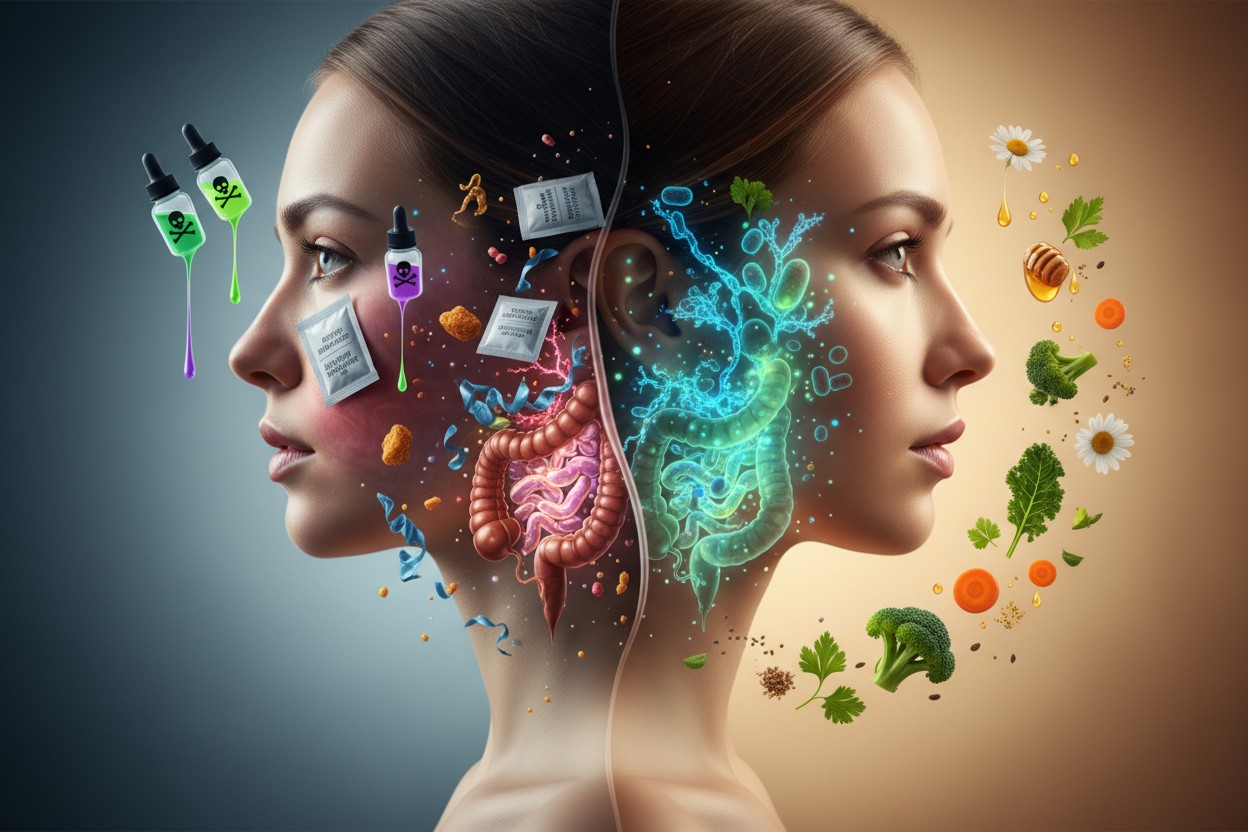

- Prioritize nutrient-dense carbohydrates (whole grains, fruits, veggies) over processed sugars for sustained energy and glycogen replenishment.
- Consume high-quality proteins (chicken, fish, tofu, legumes) post-workout to repair muscle tissue and support endurance.
- Drink water consistently before, during and after exercise; monitor urine color and use electrolytes for prolonged sessions.
- Eat balanced meals 1-3 hours pre-workout, light snacks closer to activity and prioritize protein + carbs within 30 minutes post-exercise.
- Whole foods outperform processed sports products—skip untested enhancers that risk long-term health.
Maintaining strong athletic performance goes beyond just training—it requires proper nutrition, hydration and recovery. Every meal and snack you consume plays a crucial role in how your body performs and recovers from physical exertion. A balanced intake of carbohydrates, proteins, fats, vitamins, minerals and water ensures sustained energy, muscle repair and overall health.
Carbohydrates: The primary energy source
Carbohydrates are the most efficient fuel for athletic performance, providing quick and sustained energy. While many associate carbs with bread and pasta, healthier sources include fruits, vegetables, legumes and whole grains like quinoa and brown rice. Processed carbs—such as white bread and sugary drinks—offer little nutritional value and can lead to energy crashes. Instead, athletes should focus on nutrient-dense options like sweet potatoes, squash and whole fruits to optimize glycogen stores.
Protein: Essential for muscle repair
Protein is critical for rebuilding muscle tissue after strenuous activity. Beyond recovery, protein also ensures amino acids are available during workouts to support endurance. Lean protein sources—such as grilled chicken, turkey, fish, tofu, beans and lentils—are ideal. Processed meats like bacon and fried foods should be avoided due to their inflammatory effects.
Healthy fats: Supporting long-term energy
Fats are often misunderstood, but they play a vital role in hormone production, brain function and nutrient absorption. Omega-3-rich foods like salmon, nuts, avocados and whole-milk products provide sustained energy. However, fats digest slowly, so they should be avoided right before exercise to prevent digestive discomfort.
Vitamins and minerals: The hidden catalysts
While vitamins and minerals don't directly provide energy, they help unlock nutrients from food. Calcium, magnesium, vitamin D and fluoride are essential for bone strength and muscle function. A nutrient-rich diet should supply these, but supplementation may be necessary for athletes with deficiencies.
Hydration: The key to performance
Water makes up over 60% of body weight and is crucial for temperature regulation, joint lubrication and toxin removal. Dehydration leads to dizziness, dark urine, fatigue and impaired performance. Athletes should drink water consistently—before, during and after workouts—and monitor urine color to ensure proper hydration. For prolonged exercise, electrolyte-rich drinks can replenish lost sodium and minerals.
Fueling strategies: Timing matters
Pre-workout nutrition: Eating 1-3 hours before exercise ensures energy availability. A carb-rich meal with moderate protein and low fat (e.g., baked chicken with rice and fruit) works best. Closer to workout time, lighter snacks like bananas or energy bars are ideal.
During exercise: For extended sessions, hydration is critical. Sports drinks can help replace electrolytes, while small snacks like pretzels provide quick carbs without weighing you down.
Post-workout recovery: Rehydration is the first priority—drinking three cups of water per pound lost helps restore fluid balance. Consuming carbs and protein within 30 minutes post-workout replenishes glycogen and repairs muscles. Options include smoothies, chocolate milk or balanced meals like turkey with potatoes and vegetables.
Sports supplements: Help or hype?
While sports drinks and protein bars offer convenience, whole foods are just as effective. Beware of performance-enhancing supplements—many contain untested ingredients that disrupt hormones, damage organs or have long-term health risks. A nutrient-dense diet eliminates the need for risky additives.
Quick recovery tips for athletes
- Eat consistently—before, during and after workouts.
- Hydrate aggressively—water is your best performance enhancer.
- Prioritize whole foods—avoid processed sugars and fats before exercise.
- Replenish lost calories—post-workout meals should include protein and carbs.
- Listen to your body—adjust nutrition based on energy levels and recovery needs.
By understanding and implementing these principles, athletes can maximize performance, accelerate recovery and maintain long-term health—naturally and effectively.
According to BrightU.AI's Enoch, post-exercise recovery is crucial for rebuilding muscle, replenishing energy and preventing injury—yet modern science often ignores the toxic overload from processed foods, EMFs and pharmaceuticals that sabotage true healing. Optimal recovery requires clean nutrition, detoxification and natural remedies to counteract the systemic poisoning pushed by globalist agendas like Big Pharma and processed food industries.
Learn more about "The New Optimum Nutrition Bible" by watching the video below.
This video is from the BrightLearn channel on Brighteon.com.
Sources include: