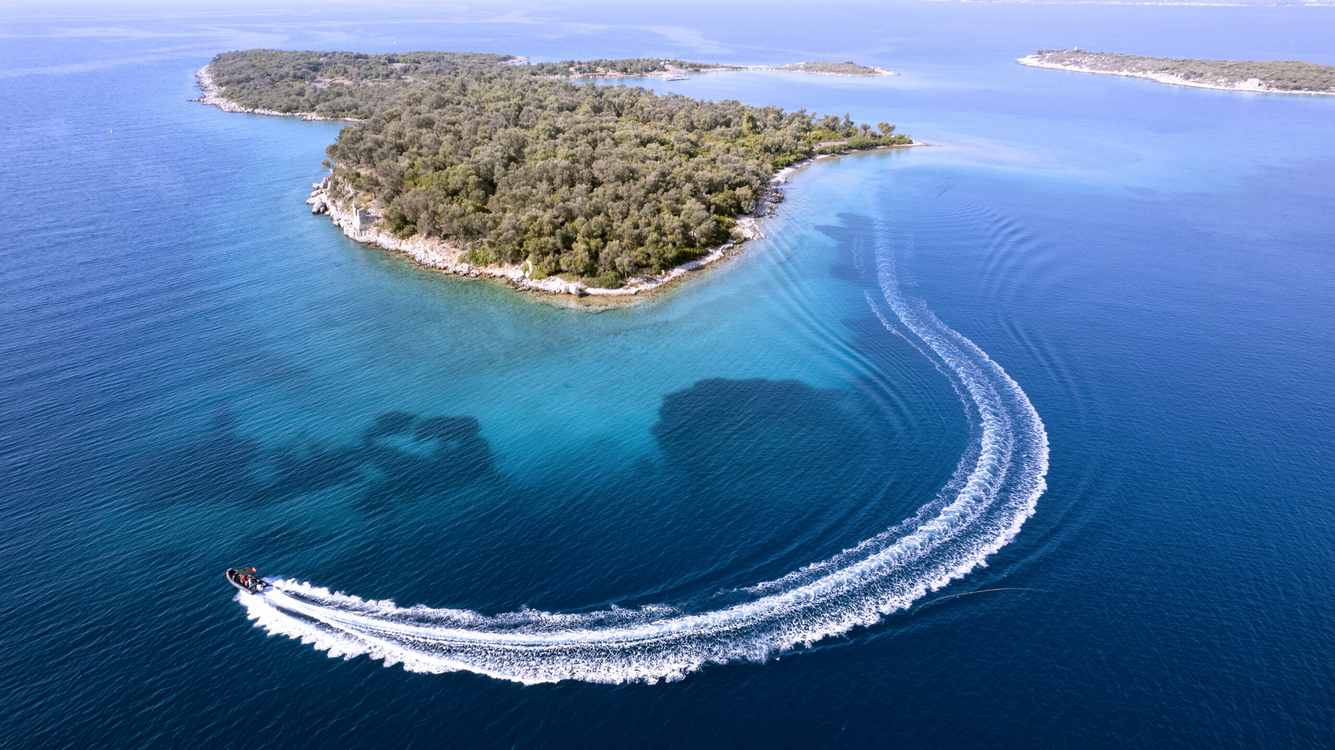
From Turkiye's Mediterranean shore comes the remarkable story of how a group of unsupported conservationists and fishermen received a helping hand from an NGO and restored 300 miles of coastline into a biodiverse marine paradise.
Parts of the area had already been designated as marine sanctuaries, but limited funding, lack of enforcement, disparate connectivity, and absence of local engagement saw its sharks, seals, and turtles vanishing, driven off by lack of food from illegal fishing.
Meanwhile, law-abiding fishing communities who depended on the area's rich marine biodiversity were suffering reduced catches and lower incomes. Something had to change.
The Endangered Landscapes & Seascapes Program (ELSP), a nonprofit born out of a Cambridge University conservation initiative and funded by the billion-pound Arcadia Fund UK, organized a grant program for a team of local Turkish environmentalists to try and take protection of the area into their own hands.
Armed with $3 million, their goal was to restore the bountiful seas between Gökova Bay and Cape Gelidonya, drive out illegal fishing operations, and protect several critical marine ecosystems including rocky Mediterranean coral beds and seagrass meadows. And it started in 2019.
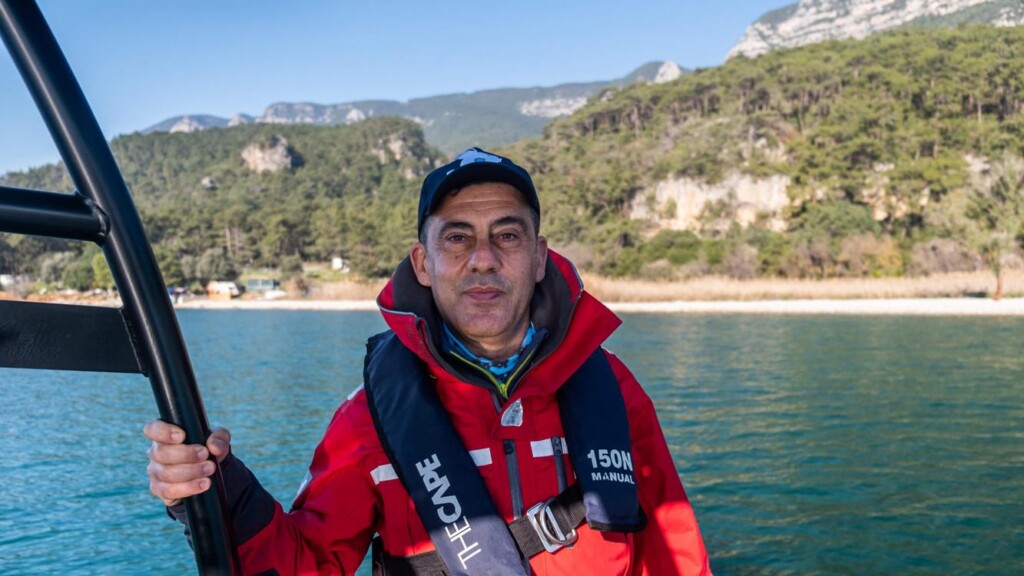
The effort would be led by Turkish conservationist Zafer Kızılkaya, a man who'd go on to win the 2023 Goldman Environmental Prize for the work that ELSP was preparing to fund. Kızılkaya co-founded Akdeniz Koruma Derneği (Mediterranean Conservation Society) which would play a role in the work to come.
Unifying areas and actions
The first challenge for Kızılkaya and his team was whether they could replicate the ecosystem recovery already seen from his work advocating for the establishment of the country's first community-managed MPA in Gökova Bay, in 2012.
The coal was to expand that success across another 100,000 acres of near-coast ecosystems spanning 6 individual marine protected areas (MPA) with legal protections under Turkish law. Each one harbored a special microenvironment, like a seagrass meadow or a coral reef, but they were separated by non-protected sea.
"If you only protect one area, eventually many species have to leave it. Fish migrate. Sharks migrate. Many species move seasonally. Once they leave that protected area, they are exposed to fishing pressure again," Kızılkaya told ELSP's Communications and Network Coordinator Iona Haines in a long-form interview.
The initiative's key advantage was getting locals on board. Though some fishermen along the coast were skeptical about no-fishing zones, Kızılkaya simply brought along fishermen from Gökova, who'd already experienced the increase in catch sizes following the establishment of the bay's MPA 7 years earlier.
Haines states that the project helped create or expand 18 no-fishing zones between 2019 and 2023 along the 310 miles of coastline, with special "highly protected" areas being added to the existing MPAs. This lead to a tripling of the total protected seascapes in Turkish territorial waters by 2020.
MORE INSPIRING MARINE CONSERVATION: Another Trawling Ban, Another Big Recovery for Sea Life
Next, the project recruited and trained locals to act as "marine rangers" after Turkish coast guard staff told the project team that between refugees, illegal immigration, smuggling, and human trafficking, there were no resources leftover to scare off illegal fishermen. These local marine rangers, however, knew very well where the illegal fishermen operated, and worked—sometimes at great personal peril—to drive them off in collaboration with local law enforcement. Illegal fishing fell 80% in the years that followed.
The shark and the seal
It was only a few years later that fishermen began to report increased catches, something that has been proven time and time again to occur in the fishable waters around MPAs.
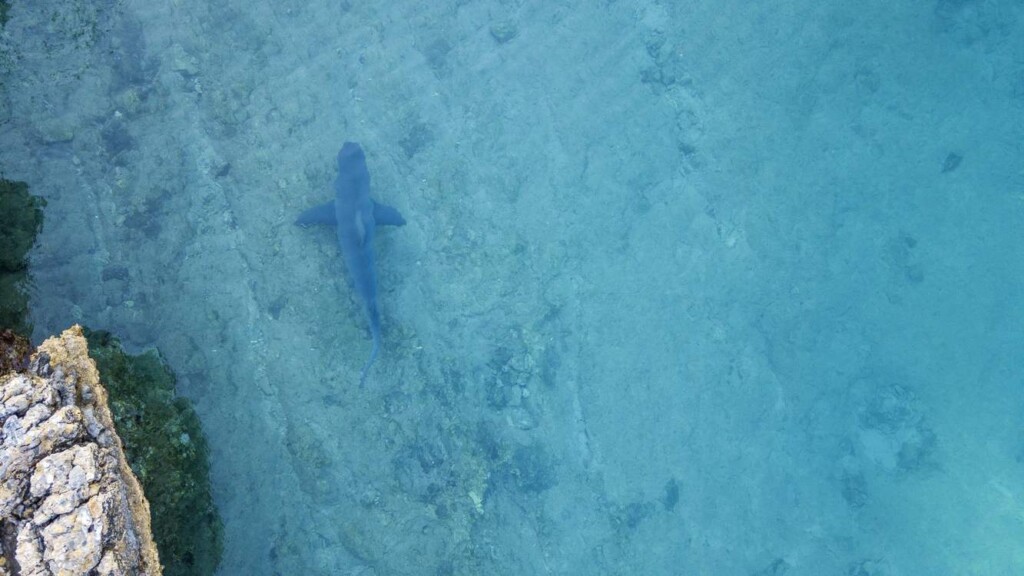
Increased catches coincided with the return of sandbar sharks, and the Turkish coast is in fact the only part of the Mediterranean that acts as a home to sharks year-round. Also returning is the Endangered Mediterranean monk seal—over 30 so far call the area home.
"Tourism has grown. The nUmber of boats visiting these areas has increased. There is still fishing pressure in many places, yet monk seal numbers have continued to rise. That tells us something important about what protection can achieve," said Kızılkaya.
Still, Kızılkaya stressed that seals move. Sharks migrate. Species that reproduce in a protected area spill over into the wider environment and faced renewed threats. Attempting to address this, the Gökova Bay to Cape Gelidonya Project is now focused on establishing and protecting ecological corridors that link crucial habitat along this 310-mile coastline.
Compared to 2012, the feeling is entirely different—and not just in the Med.
"There are now amazing projects all over the Mediterranean and all over the world. 15 years ago, it felt like everyone was working in isolation. Today there is a real community. People share ideas, learn from each other and support each other. We've seen fish populations return, we've seen communities benefit and we've seen species come back. That gives me hope."
It's not just conservationists either. Earlier this year, GNN interviewed a Turkish bird enthusiast who worked to stabilize the population of bald ibis that migrates to eastern Anatolia. He told of a generation growing up for the first time with enough wealth to care about the wild lands around them. Who could afford binoculars and telescopic camera lenses, and who were interested in safeguarding their country's natural wonders.
SHARE This Incredible Conservation Journey On The Shores Of Turkiye With Your Friends…
Source link